The self-help books listed below are written by ADAA member professionals.
Disclosure: Some links may be affiliate links. We may get paid if you buy something or take an action after clicking one of these
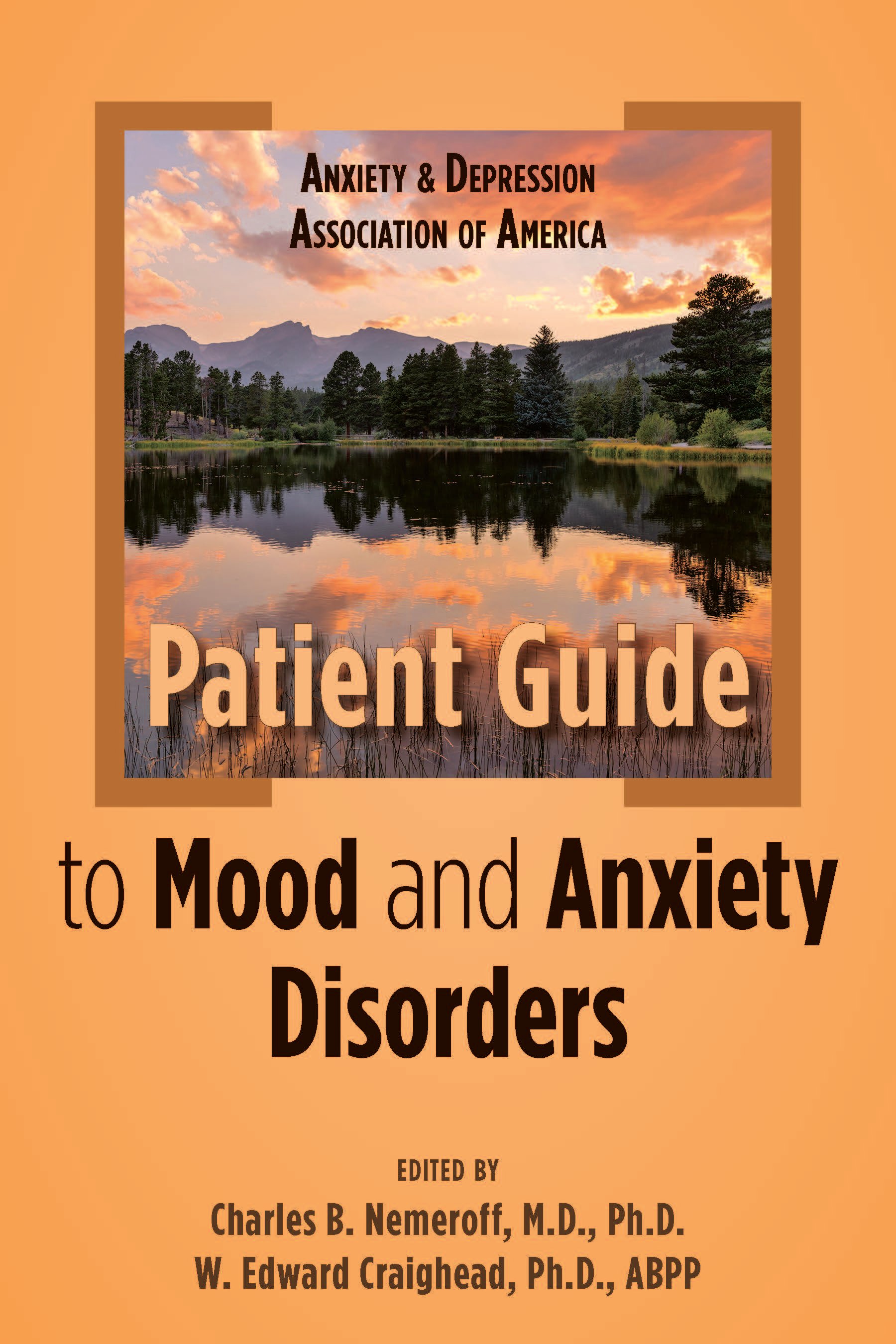
Anxiety and Depression Association of America Patient Guide to Mood and Anxiety Disorders
by Editors: Charles B. Nemeroff, MD, PhD and W. Edward Craighead, PhD, American Psychiatric Association Publishing, 2024The National Institute of Mental Health estimates that more than 21% of U.S. adults will experience a mood disorder at some point in their lives and 31% will experience an anxiety disorder. Yet despite the large number of individuals who are impacted, mental health diagnosis and treatment of these disorders can be bewildering for patients and their families alike. That's why the Anxiety and Depression Association of America (ADAA) developed the Patient Guide to Mood and Anxiety Disorders, designed to empower patients and their support networks in their quest for wellness.
Structured into six sections, each offering invaluable insights and tools, the book features:
- A thorough description of various mental health disorders—including major depressive disorder, bipolar disorder, social anxiety disorder, and others—that bridges the gap between professional diagnosis and patient comprehension.
- A concise summary of evidence-based treatments for specific disorders that will help guide informed decisions toward optimal treatment paths.
- A detailed, chapter-by-chapter analysis of U.S. Food and Drug Administration–approved medications for psychiatric disorders as well as new medications in development.
- An exploration of neuromodulation therapies, including electroconvulsive therapy, vagus nerve stimulation, deep brain stimulations, and transcranial magnetic stimulation.
- A comprehensive review of evidence-based psychotherapies such as cognitive-behavioral therapy, dialectical behavior therapy, and others for treatment of conditions such as postpartum depression, posttraumatic stress disorder, and obsessive-compulsive disorder.
- An examination of emerging treatments such as psychedelics and virtual reality therapy; discussion of caring for special patient populations, including pregnant patients, children, and elderly patients; and an overview of treatment settings, such as inpatient, residential, and community outpatient care.
With case vignettes that illustrate important information, a multitude of easily referenced tables, and suggested readings for further exploration, Anxiety and Depression Association of America Patient Guide to Mood and Anxiety Disorders provides readers with the knowledge and tools to make informed decisions and embark on a journey toward lasting wellness.

I'm Not Alone: A Teen's Guide to Living With a Parent Who Has a Mental Illness or History of Trauma (2nd Edition)
by Michelle D. Sherman, PhD, ABPP, Seeds of Hope Books, 2024
Helping Teens with Parents Who Have Mental Health Challenges
Many teens face the hard reality of having parents with mental health issues like PTSD. This book offers support and guidance to help teens navigate this tough situation.
What You’ll Learn
- Practical skills to handle everyday challenges at home
- Easy-to-understand information and tools based on real science
- Encouragement from other teens who understand what you’re going through
How It Helps You
- Offers ways to build your own mental strength and resilience
- Provides clear advice to make confusing times easier
- Helps you feel less alone on your journey
This book is a helpful and caring resource for teens wanting to better understand their family situation and take care of their own well-being.

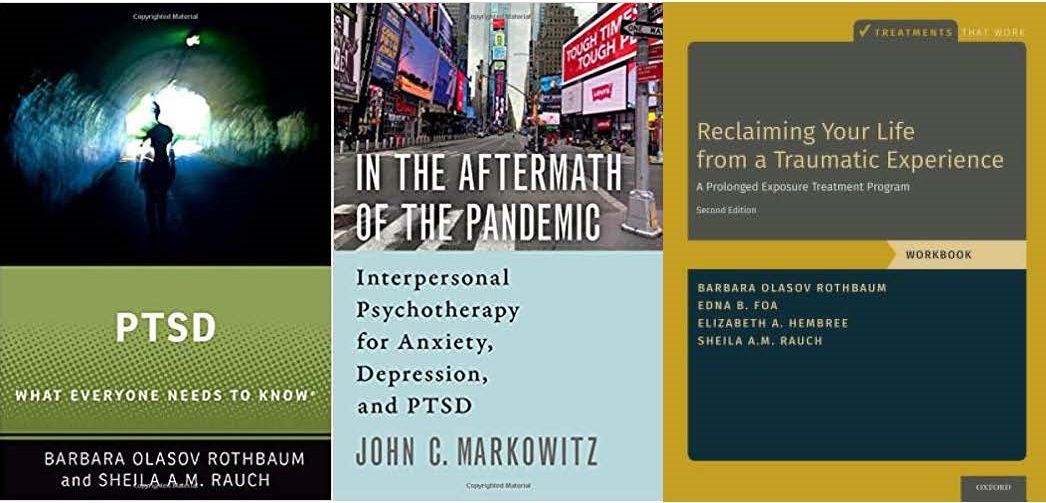
In the Aftermath of the Pandemic
by John C. Markowitz, MD, Oxford University Press, 2021
Helping Mental Health After the Pandemic
Many people have faced anxiety, depression, and stress because of COVID-19 and other disasters. This book shows how a therapy called Interpersonal Psychotherapy (IPT) can help.
Why This Book Matters
- Explains how IPT supports people by improving social connections and handling stress.
- Focuses on common problems like depression, PTSD, and anxiety after big events.
- Includes real-life examples to show how therapy works in practice.
What You’ll Learn
- Simple IPT techniques that therapists can use to help patients heal.
- How therapy has adapted to online sessions during the pandemic.
- A checklist to spot psychological risks linked to COVID-19.
This book is a helpful guide for anyone wanting to understand how therapy can ease the mental health challenges caused by the pandemic.
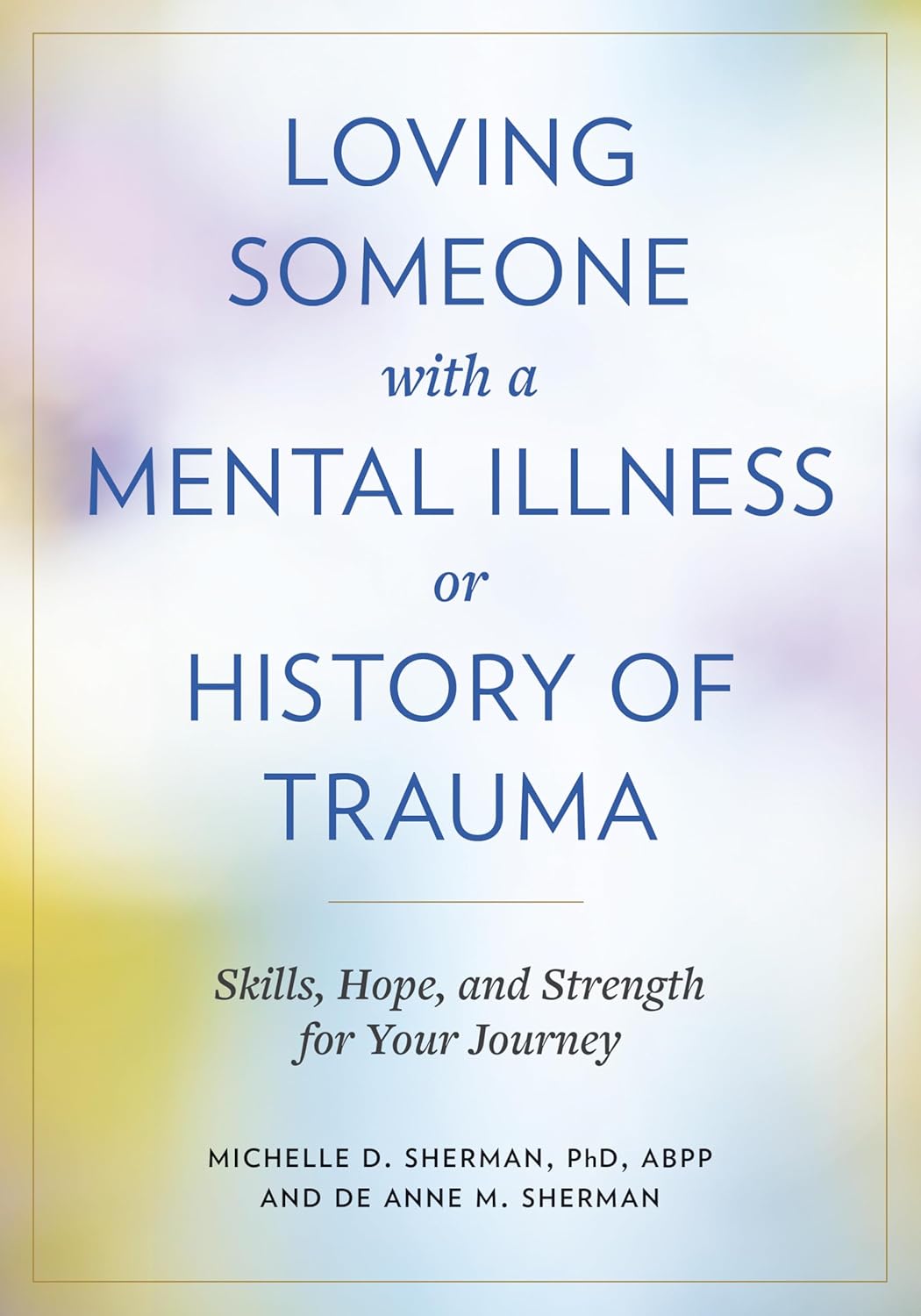
Loving Someone with a Mental Illness or History of Trauma: Skills, Hope, and Strength for Your Journey
by Michelle D. Sherman, PhD, ABPP, Johns Hopkins University Press, 2025
Loving Someone with a Mental Illness or History of Trauma
Caring for a loved one with mental illness or trauma can be overwhelming and isolating. This guide offers support and practical advice to help families and friends cope and stay strong.
What You’ll Learn
- How to manage difficult feelings like fear, guilt, and frustration
- Ways to communicate clearly and set healthy boundaries
- Tips for navigating the mental health system and supporting loved ones with trauma or PTSD
Extra Support
- Handling challenges like substance misuse and when help is refused
- Supporting children affected by a family member’s illness
- Building your own strength and improving relationships
This easy-to-use book provides hope, helpful tools, and real-life stories to guide you through tough times. It’s a valuable resource for anyone who wants to better support someone they care about.

Making Meaning of Difficult Experiences A Self-Guided Program
by Sheila A.M. Rauch and Barbara Olasov Rothbaum, Oxford University Press, 2023
Making Meaning of Difficult Experiences
Many people face tough events like trauma, loss, or big changes that can affect their mental health for a long time. This book helps those who want to heal on their own without going to therapy.
What You’ll Learn
- How to face and process painful memories instead of avoiding them
- Ways to stay active and rebuild daily routines
- Tips to connect with others and build support
- Simple self-care steps to improve your well-being
This book guides you step-by-step through easy exercises and self-checks so you can find what works best for you. By working through your experiences, you can reduce stress, anxiety, and depression and feel stronger over time.

PTSD: What Everyone Needs to Know
by Barbara O Rothbaum and Sheila A.M. Rauch, Oxford University Press, 2020
Understanding PTSD: What You Need to Know
Many people face traumatic events, but not everyone develops posttraumatic stress disorder (PTSD). This book helps explain what PTSD is, who can have it, and why some people are affected differently than others.
What You Will Learn
- Common types of trauma and how they impact people.
- How PTSD shows up and what triggers it.
- The best treatments available and how they help people heal.
- How to support friends or family going through trauma.
This book is a helpful guide for anyone wanting clear, reliable information about PTSD and how to support those affected.

When a Loved One Won't Seek Mental Health Treatment: How to Promote Recovery and Reclaim Your Family's Well-Being
by Melanie VanDyke PhD, Gary Mitchell LCSW, Heidi J. Pollard RN MSN, Gloria Mathis PhD, and C. Alec Pollard PhD, New Harbinger Publications, 2024Escape the Family Trap and Support Mental Health Recovery
Having a family member with mental illness who refuses treatment can feel like being stuck in a never-ending struggle. Trying to help might make things worse, while pushing for change often meets resistance.
What You’ll Learn
- How your actions might unintentionally keep problems going
- Ways to encourage healthy behaviors without causing conflict
- Strategies to prepare your whole family emotionally and practically
Why This Book Helps
- Offers clear, proven methods based on years of clinical experience
- Introduces the Family Well-Being Approach to guide recovery
- Provides support for families feeling overwhelmed by a loved one’s refusal to get help
If you’re ready to break free from frustration and help your loved one toward recovery, this book gives you the tools and hope to take back control of your life.