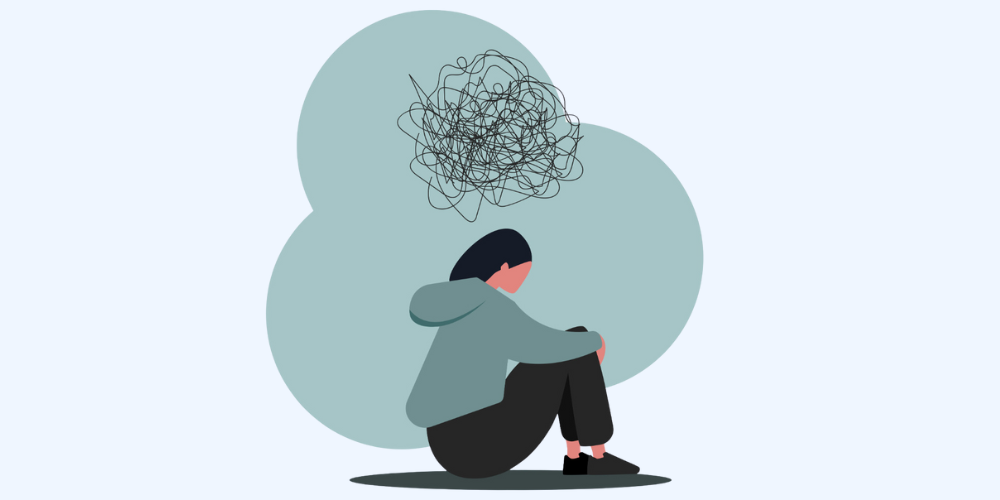

Prolonged Grief Disorder (PGD) and major depression are often confused because they share many overlapping symptoms, such as intense sadness, sleep disturbances, fatigue, and difficulty concentrating. However, the two conditions have key differences in their cause, focus, and the nature of the emotional experience.
Grief is a natural human response to loss. While it's a universal experience, for some, grief can become overwhelming, persistent, or disruptive, leading to more serious conditions like Prolonged Grief Disorder (PGD) and Complicated Grief. These conditions can significantly interfere with daily life and may require professional support.
Understanding Prolonged Grief Disorder (PGD) and Complicated Grief
Prolonged Grief Disorder (PGD) is an intense, persistent grief that involves symptoms interfering with daily life and functioning. It differs from Normal Grief, which tends to soften over time. PGD persists, intensifies, or immobilizes a person, preventing adaptation and healing. Similarly, Complicated Grief is a form of intense, long-lasting grief that disrupts daily life and often requires professional support.
Some Symptoms of Grief
- Physical Symptoms: Headaches, nausea, fatigue, restlessness, gastrointestinal problems, insomnia or sleeping too much, reduced or increased appetite, palpitations, or tightness in the chest.
- Behavioral/Emotional Symptoms: Confusion or trouble making decisions, extreme sadness, feelings of hopelessness or disbelief, difficulty focusing or concentrating, anxiety or panic, retreating from life, friends, and family, difficulty working or maintaining duties, irritability, easy to anger or offend.
Treatment Approaches for PGD
- Complicated Grief Therapy (CGT): A structured form of psychotherapy tailored to grief, often more effective than general depression treatments.
- Cognitive Behavioral Therapy (CBT): Helps challenge unhelpful thoughts and re-engage in life.
- Group Therapy & Support Groups: Reduce isolation and normalize experiences.
- Medication: Antidepressants may be used when PGD co-occurs with major depression or anxiety, though psychotherapy is usually first-line.
When to Seek Professional Help
You should consider seeking immediate help from a mental health professional if you are experiencing:

- Significant depression or anxiety
- Persistent feelings of hopelessness
- Extreme distress that interferes with daily life
ADAA Resources:
ADAA Find Your Therapist Directory
Blog Posts:
Webinars/Events:
- Navigating Prolonged Grief: Evidence-Based Strategies for Assessment and Treatment
- Ask The Author Q & A: The Grieving Brain: The Surprising Science of How We Learn from Love and Loss
- Toward a Biopsychosocial Understanding of Grief: Recent Advances and Innovations in Prolonged Grief Research
- Prolonged Grief Disorder and Its Treatment
- Complicated Grief and Its Treatment
Podcasts:
Personal Stories:
- The Mentally STRONG Method: A Path Through Grief, Loss, and Trauma
- I Made a Documentary About Grief, and It Helped Me Finally Face My Own
- Grief Through the Holidays
Member Authored Self-Help Books
- The Grieving Body: How the Stress of Loss Can Be an Opportunity for Healing by Mary Frances O'Connor, PhD
- The Grieving Brain: The Surprising Science of How We Learn from Love and Loss by Mary Frances O'Connor, PhD