Your support changes lives. Thank you!
Learn More
What comes to mind when you think of events that may be the cause of post-traumatic stress disorder…

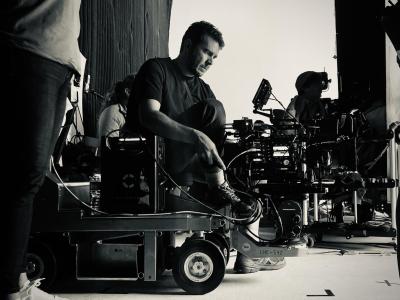
For most of my career, I worked at a fast pace, building a successful path as a commercial filmmaker, collaborating with major brands, traveling, producing award-winning work. From the outside, it looked like I had made it. But on the inside, something was unraveling.
About nine years ago, I started to notice a creeping sense of disconnection. I still loved the craft, but the deeper purpose, the part of me that once felt lit up, was fading. I didn’t talk much about it. I pushed forward. I told myself to be grateful. I told myself the success was enough. But I knew, quietly, that I was drifting away from something essential.
Then last year, something changed. I felt a pull, something I can only describe as a calling, to direct a personal documentary about grief. I flew to Arizona to film at the Selah Carefarm, a sanctuary for people grieving traumatic loss. What I thought would be a nine-day shoot turned into one of the most spiritually and emotionally arresting experiences of my life.
At Selah, I interviewed people who had lost children to suicide, partners to sudden death, siblings to violence. These weren’t just interviews. They were sacred spaces. Raw, vulnerable, completely unscripted exchanges between human beings searching for meaning in the aftermath of the unthinkable.
I didn’t realize it at the time, but I was grieving too. I was grieving a version of myself I had outgrown. I was grieving years of burying feelings of emptiness, perfectionism, and burnout. I was grieving the years I spent operating in high-functioning anxiety without ever naming it. I was grieving infertility with my wife.
When I returned home, I couldn’t function the way I used to. The old pace didn’t work. The old motivations didn’t move me. I felt disoriented. In the weeks that followed, I slipped into a quiet depression. It wasn’t dramatic. It was just low. Numb. Unmotivating. And that scared me.
But instead of running, I finally slowed down and listened.
That documentary, Selah, changed me. It cracked something open in me. It showed me that grief isn’t just about losing a loved one. It’s about all the losses we carry silently; of identity, of innocence, of old dreams, of dreams that have yet to come. It taught me that slowing down, being present, and letting ourselves feel is not weakness. It’s the only way through.
For anyone interested in the project, we recently released the trailer and launched a crowdfunding campaign to help finish the film. View the trailer and support the documentary.
In therapy, I began to explore these deeper questions. Who am I without my work? What stories do I want to tell? What kind of life do I actually want to live? These questions didn’t come with easy answers. But asking them, honestly and patiently, has helped me shift how I approach both my work and my well-being.
I also found ADAA while searching for mental health resources for men navigating quiet anxiety and high-functioning burnout. The articles helped me feel less alone. Reading stories of others who had pushed through their own silent struggles reminded me that healing isn’t linear. And it isn’t rare. It’s everywhere, if we’re willing to look and listen.
The journey isn’t over. I still have many days where the old patterns whisper in my ear: do more, be more, prove it. But now, I pause. I check in. I remember the people I met at Selah; their courage, their softness, their stillness. I remember that presence is more powerful than perfection.
Today, I’m choosing projects that align with my values. I’m coaching other filmmakers who feel caught between purpose and pressure. I’m building community with people who crave more than just output, they crave meaning. And I’m continuing to heal, one quiet moment at a time.
Sometimes, the loudest breakthroughs don’t come with fanfare. They come in stillness. They come in grief. They come in listening; to others, and to yourself.
Selah means to pause. And that’s what this journey has given me: the courage to pause, to feel, and to rebuild from something real.
If my story resonates with anyone else silently carrying the weight of anxiety or disconnection, I just want to say: you’re not alone. And the pause you’re avoiding might be the place your healing begins.


Take Action
Find Help. Learn More. Support ADAA.