

Your support changes lives. Thank you!
Learn More
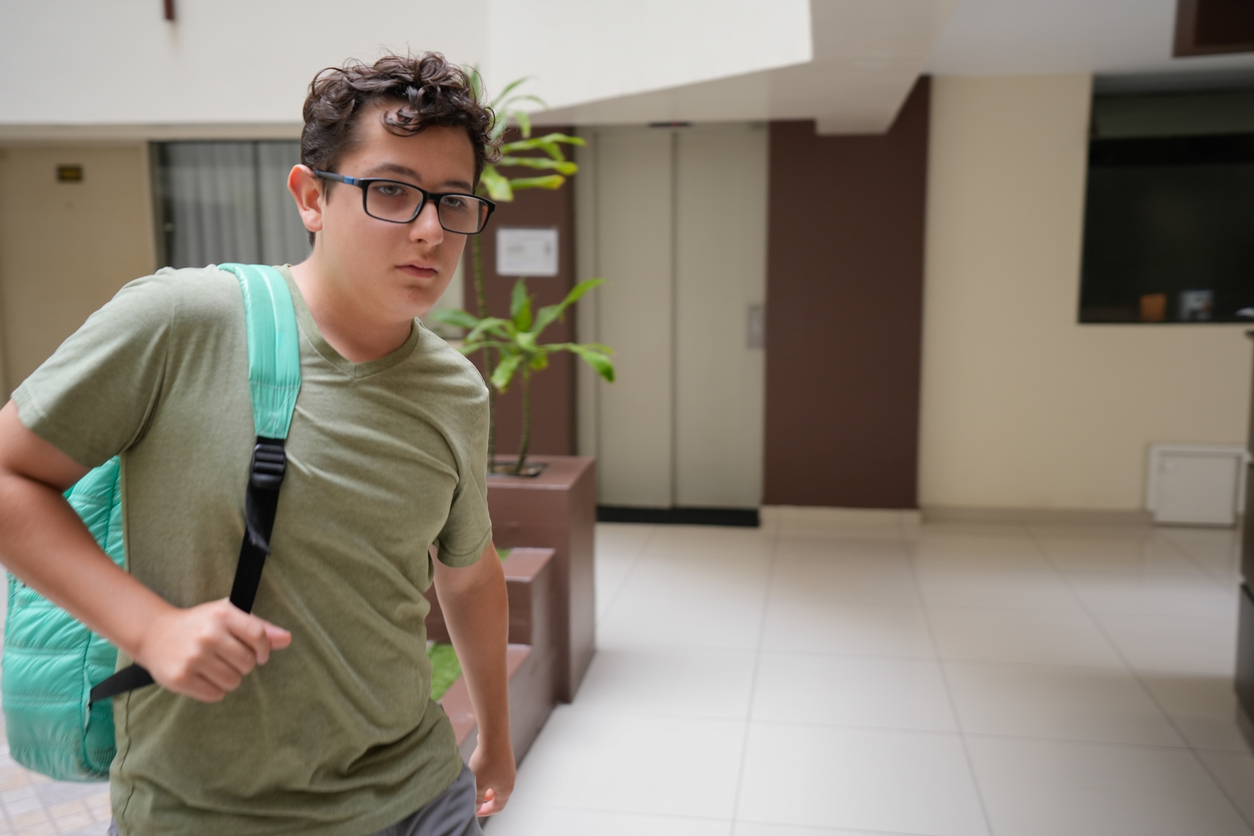
At this time of the year, young adults and parents are “nervouscited” (a great word I heard on a podcast) about freshman year at college
I have worked for over 20 years specializing in anxiety and OCD treatment for preschoolers through young adults. And every year I work with numerous young adults and their families to mentally prepare them for college.
These young adults have taught me that so many of them simply want to feel more confident and competent as they navigate the transition to independence. So, with or without coping with an anxiety disorder, the young adults I have worked with helped me make this list. These are things they may not know or have not done but want to. Becoming competent is the best antidote to fear and what helps anxiety not to take the lead.
I will call them core tasks for independent living and discuss mastering anxiety tasks separately below.
Many young adults are independent and have been doing a lot of things on their own for quite a while. However, others, especially those with anxiety disorders, may have avoided or not had practice developing these skills. What are some of the things that they will need to do next year?
Core Tasks for Independent Living
- Self-care. Has the emerging adult called for and scheduled a doctor's appointment? Have they purchased the toiletries they need and know how often they run out?
- Transportation. Have they purchased and traveled on their own by train, bus or plane? Have they investigated scheduling and purchasing tickets?
- Money issues. Do they know how to write a check or open a checking account? Manage a debit card? Monitoring a designated debit card budget throughout the month to avoid running out of funds.
- Doing things online is great, but sometimes a quick phone call is the best way to get the information needed. If they feel a bit hesitant about making direct calls, they aren't alone! Picking up the phone is often the fastest way to:
- Book medical appointments: Speak directly with scheduling staff to see a pediatrician or family doctor.
- Get direct answers: Call community or government agencies for information they can't easily find online.
The summer is an ideal time to help both young adults and their parents feel prepared for this exciting and sometime scary transition. During the summer, they could contact a past teacher, coach or music teacher to thank them or to share experiences. It is a double win – a teacher gets to be remembered and appreciated and the young adult gets to practice. This is not “awkward” and might even open the door for an ongoing relationship. Those who practice now will feel far more confident and prepared when the real transition arrives.
Young Adults with Anxiety
Some young adults with anxiety have avoided several things that will be very important for college.
While the goal is not to alarm parents, professionals are increasingly concerned about students entering college underprepared for its unique demands. However, there is a heartening counterpoint: many young adults, even those navigating severe anxiety, frequently surprise us with their resilience and capacity to adapt once they are on campus.
To bridge this gap, the baseline expectation for a college student must shift toward self-advocacy. Success requires that students can comfortably communicate with professors both via email and in person.
Establishing relationships through office hours, learning to ask for help, and independently accessing campus resources are not optional skills, they are essential pathways to academic and personal growth.
I suggest that all my clients who are freshmen go to the student support services at their college/university at least every two weeks for the first two months to make sure they're on target and to learn new skills to help them stay organized with their studying and work.
Students need practice taking social risks, like introducing themselves to strangers and initiating conversations with peers. If they didn't master this in high school, summer is the ideal time to bridge the gap. Setting a firm expectation here is incredibly powerful: letting a hesitant young adult know that handling these small social interactions is a prerequisite for going away to school helps prove to them, and to you, that they are truly ready for success. The important reason to try things or practice is that they find out that is not as difficult as they thought or if it was difficult or made them anxious they can still do it.
The leap from high school to higher education can feel daunting for both parents and professionals, especially when navigating the heavy weight of a student's anxiety. Yet, as so many young adults have proven, they possess a remarkable capacity to step up and surprise us when the safety net is intentionally lowered.
The summer before college is a valuable opportunity to build the habits and confidence of independence. By using this time to strengthen practical life skills, we do more than prepare students for campus, we help them step into their futures with greater confidence and a clearer sense of what they can achieve.






ADAA Blog Content and Blog Comments Policy
ADAA provides this Website blogs for the benefit of its members and the public. The content, view and opinions published in Blogs written by our personnel or contributors – or from links or posts on the Website from other sources - belong solely to their respective authors and do not necessarily reflect the views of ADAA, its members, management or employees. Any comments or opinions expressed are those of their respective contributors only. Please remember that the open and real-time nature of the comments posted to these venues makes it is impossible for ADAA to confirm the validity of any content posted, and though we reserve the right to review and edit or delete any such comment, we do not guarantee that we will monitor or review it. As such, we are not responsible for any messages posted or the consequences of following any advice offered within such posts. If you find any posts in these posts/comments to be offensive, inaccurate or objectionable, please contact us via email at [email protected] and reference the relevant content. If we determine that removal of a post or posts is necessary, we will make reasonable efforts to do so in a timely manner.
ADAA expressly disclaims responsibility for and liabilities resulting from, any information or communications from and between users of ADAA’s blog post commenting features. Users acknowledge and agree that they may be individually liable for anything they communicate using ADAA’s blogs, including but not limited to defamatory, discriminatory, false or unauthorized information. Users are cautioned that they are responsible for complying with the requirements of applicable copyright and trademark laws and regulations. By submitting a response, comment or content, you agree that such submission is non-confidential for all purposes. Any submission to this Website will be deemed and remain the property of ADAA.
The ADAA blogs are forums for individuals to share their opinions, experiences and thoughts related to mental illness. ADAA wants to ensure the integrity of this service and therefore, use of this service is limited to participants who agree to adhere to the following guidelines:
1. Refrain from transmitting any message, information, data, or text that is unlawful, threatening, abusive, harassing, defamatory, vulgar, obscene, that may be invasive of another 's privacy, hateful, or bashing communications - especially those aimed at gender, race, color, sexual orientation, national origin, religious views or disability.
Please note that there is a review process whereby all comments posted to blog posts and webinars are reviewed by ADAA staff to determine appropriateness before comments are posted. ADAA reserves the right to remove or edit a post containing offensive material as defined by ADAA.
ADAA reserves the right to remove or edit posts that contain explicit, obscene, offensive, or vulgar language. Similarly, posts that contain any graphic files will be removed immediately upon notice.
2. Refrain from posting or transmitting any unsolicited, promotional materials, "junk mail," "spam," "chain mail," "pyramid schemes" or any other form of solicitation. ADAA reserves the right to delete these posts immediately upon notice.
3. ADAA invites and encourages a healthy exchange of opinions. If you disagree with a participant 's post or opinion and wish to challenge it, do so with respect. The real objective of the ADAA blog post commenting function is to promote discussion and understanding, not to convince others that your opinion is "right." Name calling, insults, and personal attacks are not appropriate and will not be tolerated. ADAA will remove these posts immediately upon notice.
4. ADAA promotes privacy and encourages participants to keep personal information such as address and telephone number from being posted. Similarly, do not ask for personal information from other participants. Any comments that ask for telephone, address, e-mail, surveys and research studies will not be approved for posting.
5. Participants should be aware that the opinions, beliefs and statements on blog posts do not necessarily represent the opinions and beliefs of ADAA. Participants also agree that ADAA is not to be held liable for any loss or injury caused, in whole or in part, by sponsorship of blog post commenting. Participants also agree that ADAA reserves the right to report any suspicions of harm to self or others as evidenced by participant posts.