


Your support changes lives. Thank you!
Learn More
Sponsored by

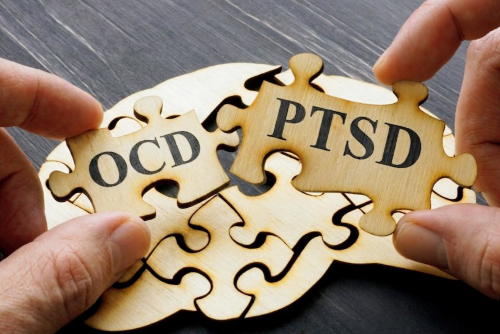
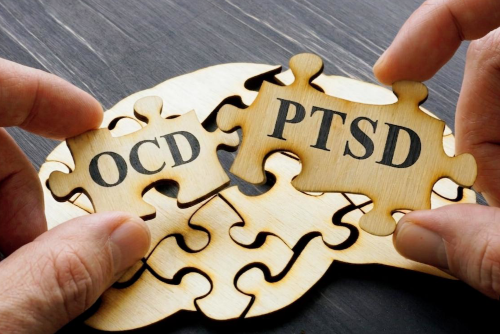
Presented by David J. Alperovitz, PsyD, and Nathaniel Van Kirk, PhD, this webinar is an evidence-based overview of the clinical overlap between obsessive–compulsive disorder (OCD) and posttraumatic stress disorder (PTSD).
This discussion covers
- prevalence and shared symptom profiles,
- key assessment strategies to differentiate and identify comorbidity,
- and practical treatment considerations—integrating trauma‑informed approaches, adaptations to ERP and CBT, and assessment, pharmacologic options, and case-based recommendations for clinicians.
The webinar presents current epidemiologic and clinical research demonstrating higher-than-chance rates of co-occurrence between OCD and PTSD, and explains shared vulnerability pathways (e.g., heightened threat sensitivity, maladaptive memory processing, and stress‑related neurobiological changes).
Learners will review symptom-level overlap (intrusive imagery, avoidance, hyperarousal, and repetitive behaviors), risk factors (trauma exposure, early adversity, genetic and temperamental contributors), and representative prevalence estimates from cohort and clinical samples.
By linking evidence to assessment and treatment implications—how overlapping phenomenology can obscure diagnosis, which screening tools capture each disorder, and how comorbidity informs trauma‑informed adaptations to ERP/CBT and pharmacotherapy—the content ensures clinicians understand both the empirical basis for increased comorbidity and the practical steps to detect and manage it.
Learning Objectives
- Describe the prevalence, symptom overlap, and shared risk factors associated with comorbid OCD and PTSD.
- Differentiate assessment strategies to accurately identify OCD, PTSD, and their comorbidity, including use of screening tools and diagnostic interviewing techniques.
- Apply evidence-based treatment approaches and trauma-informed adaptations (psychotherapy and pharmacotherapy) to formulate integrated treatment plans for patients with co-occurring OCD and PTSD.






ADAA Continuing Education Credits for Live and On-Demand Programming
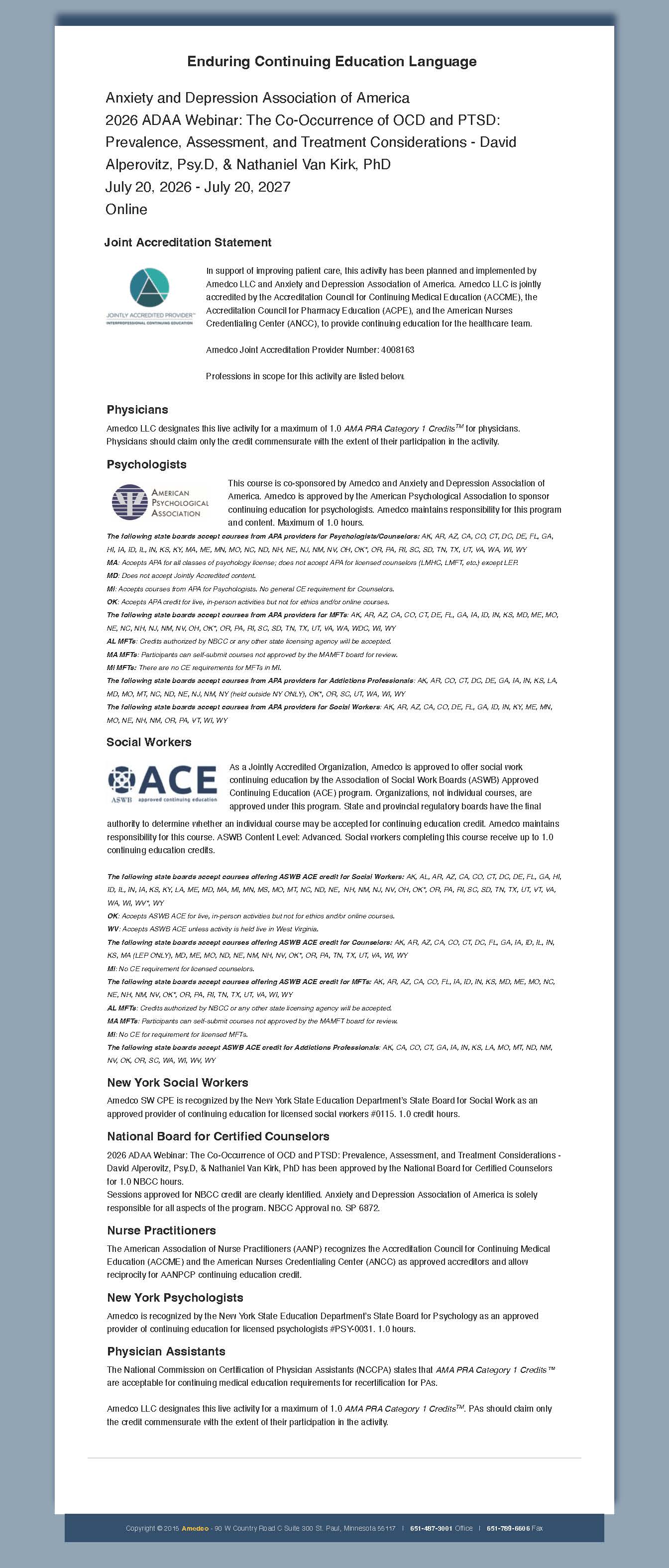
Learners complete an evaluation form to receive a certificate of completion. You must participate in the entire activity as partial credit is not available. If you are seeking continuing education credit for a specialty not listed below, it is your responsibility to contact your licensing/certification board to determine course eligibility for your licensing/certification requirement.
Some ADAA professional webinars focused on diversity or cultural competency subject matter are eligible for the Cross-Culture Competency Diversity Credit. If a webinar is eligible for this credit, it will be reflected on your credit certificate.
All continuing education credits are provided through Amedco, LLC. Learn more about the CE/CME accreditation information here.