
Your support changes lives. Thank you!
Learn More
AI chatbots can reinforce OCD by enabling compulsive reassurance-seeking, underscoring the need for…
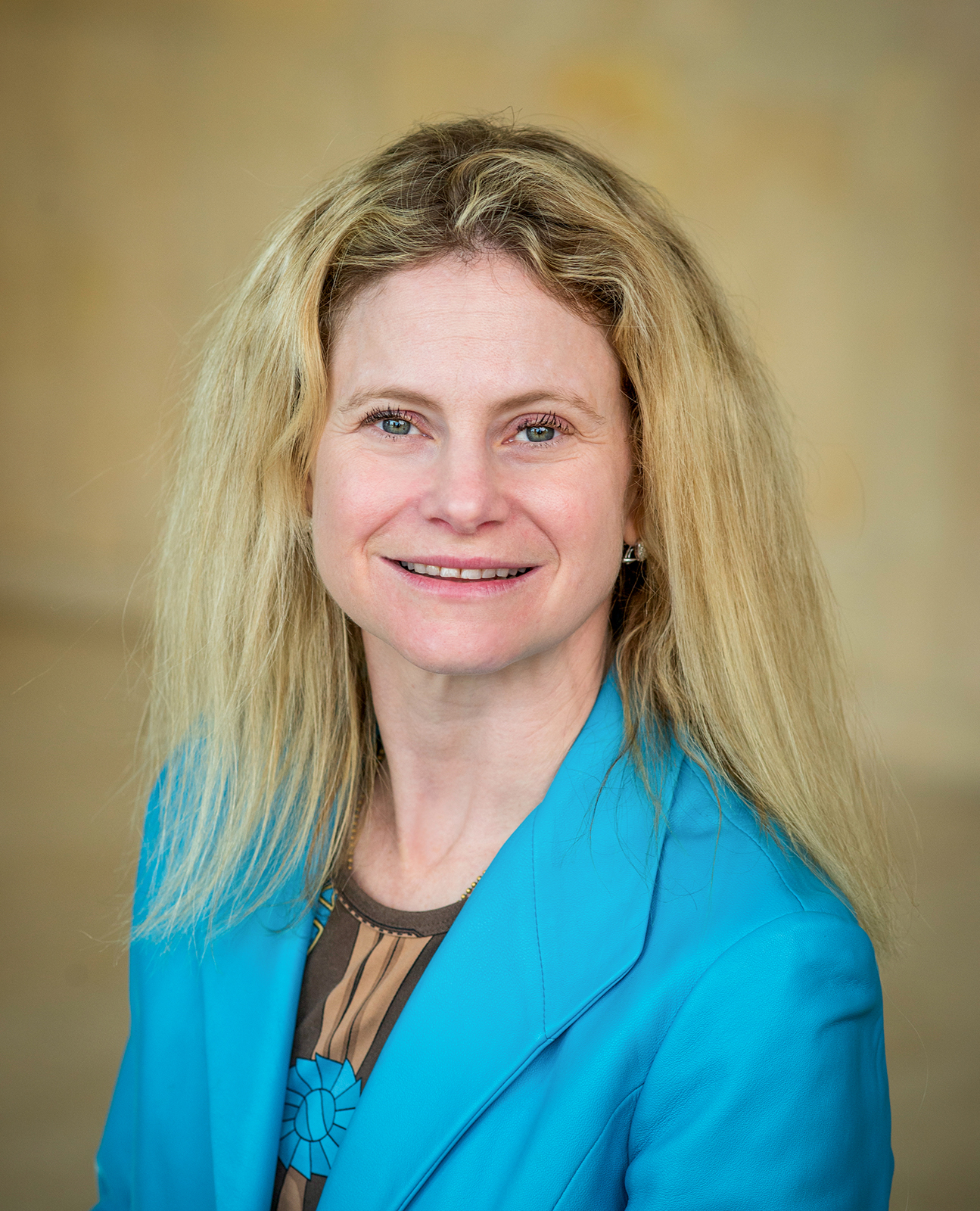
Cara shares her experience growing up with severe OCD, how compulsive rituals disrupted her childhood, and how rediscovering ice skating—along with therapy, writing, and support from loved ones—became essential tools in transforming her struggles into resilience and lifelong healing.
I couldn’t stop spinning; the twists and turns increased with each rapid rotation.
Sitting with my mother in a West Village movie theatre, I tried to chuckle at Chevy Chase’s Christmas Vacation; however, I felt a compulsive need to flail my arms and body in countless circles, which distracted everyone in the theatre.
The year was 1989, and I was ten years old, on a special trip away from the psychiatric children’s unit at St. Vincent’s Hospital where I lived for three months due to severe obsessive-compulsive disorder (OCD).
My mother, a brilliant psychoanalyst who could not heal me, would later tell me that she saw one of her patients that day and ran the other way to prevent them from seeing her daughter wildly twisting and turning.
“Cara, you can spin when you’re on the ice, but not now; we’re at the movies, so sit still in your seat.” Mom pleaded with me and desperately tried to use reason.
Logic doesn’t often apply with OCD—at least it didn’t in my case—due to the irrational fear that stopping spinning would lead to harming loved ones. The ice-skating plea resonated on some level, however, at least for a moment.
I started skating at age three, and loved it from day one, but hadn’t set foot in a rink for months while hospitalized. Just six months prior to my hospitalization, I had won a competition at my local ice rink, a small studio on the second floor of an office building in Manhattan’s Upper East Side.
The Ice Studio was a converted dance space, and, due to its small surroundings, I learned to spin very fast. A large drain in the corner limited space, but I spent many years practicing my routines in front of an enormous mirror.
When Mom mentioned ice skating that day at the movies, I thought instantly of my rink, which had been a refuge for so long. Something transformed me that day, as I shifted in the theatre seat, and my rotating rituals turned from terror and tragedy to a yearning for a rapid return to the rink.
Unlike today, where more athletes speak out for mental health, empathy and awareness were not nearly as present four decades ago. Gymnast Aly Raisman is one elite example, as she has partnered with the International OCD Foundation.
Not an elite skater at the time, I felt ashamed to mention anything about my OCD to anyone, at the rink or in school. Of course, people knew and rumors flew. Some said I had taken too many drugs or overdosed on medicine treating my asthma. Mom and Dad had taken me out of fifth grade abruptly, with no other choice than to admit me to St. Vincent’s, which at the time still existed and had one of the few units for children in the city.
I managed to sit still in my seat for the last half hour of National Lampoons Christmas Vacation. When the film ended, I turned to my mother and asked her when I could lace up my skates again. The holiday spirit was in the air, and snow likely covered the city streets.
“Maybe, if you continue to make progress, we can go on another one of these visits.” Mom referred here to our regular outings, which occurred based upon my response each week to Cognitive Behavior Therapy (CBT) methods that still treat patients today.
I didn’t skate again until the Spring of 1990, months after my December release from St. Vincent’s, but skating the following Summer may have saved my life. Dad calls it the “magical summer” because I returned to the rink with joy and felt genuine acceptance that July from fellow friends.
My skating continued through high school, college, and into adulthood. Almost every milestone in my life has happened in ice arenas: I watched planes fly into the Twin Towers on television in between practices at Chelsea Piers in New York City where I married my husband (a North Tower 9/11 survivor) fourteen years later.
Finding a way to move freely across the ice empowered me to write more, which liberated me from my compulsions. Smooth transitions on skates continue fueling my creation of connections and words on the page. Skating and storytelling have served as saving graces.
Even as I write and skate today, the OCD never leaves me. Though not nearly as debilitating, it remains a constant companion and the intrusive thoughts never cease. I'm grateful for them, though, as the rituals fuel my resilience.
My four-year-old spun in circles while watching Alyssa Liu win an Olympic gold medal in Milan several weeks ago. At one point, my daughter fell to the ground from dizziness, but immediately sprang to her feet and continued twirling joyfully. I started spinning with her, a world away from that West Village movie theatre where I was with my own mother four decades prior.

Take Action
Find Help. Learn More. Support ADAA.