
Your support changes lives. Thank you!
Learn More
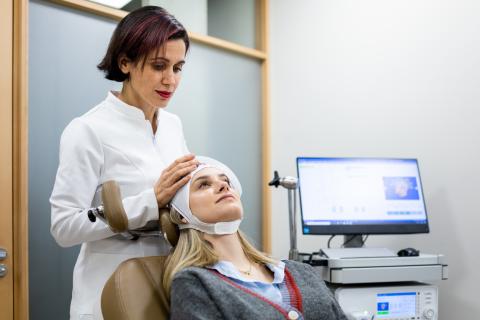
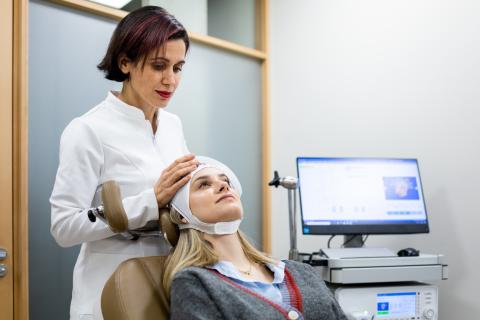
Scientists have found ways to use focal brain stimulation, which uses a small amount of electricity…
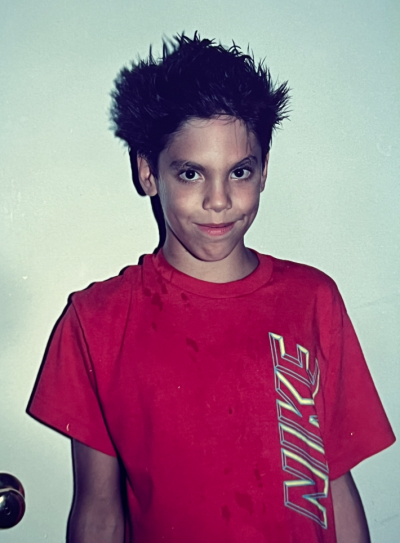
At the age of 10 and again at 12, I suffered two massive internal meltdowns. I could scarcely breathe and felt immense fear pulsing through my body. Because the first attack happened while I was sitting inside a packed Hebrew school classroom and the second at a summer camp dance, I reflexively held in these feelings to avoid showing my peers—even as they became so intense, I literally thought I was going to die.
Both attacks subsided after maybe a few minutes, though it felt like hours. After the first one ended as suddenly as it had come on, I regained my composure, looked around the room to make sure none of the other boys in my class had noticed and pretended that nothing had happened.
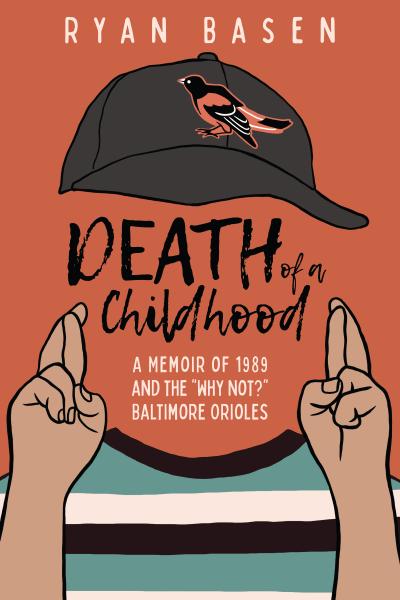
I did not tell anyone about this strange and near total loss of control—not even my doting mother. Instead, as documented in my memoir “Death of a Childhood,” I buried the episode.
For years. Years!...
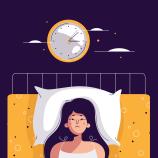
…Until I just could not handle these “meltdowns” (as I was still calling them) anymore. One summer in my mid-30’s, I could not sleep for more than two-to-three hours a night for several weeks. Despite feeling groggy during the day while building up an impressive sleep debt, every night I laid down in my comfortable bed, turned off all the lights…and just lay there for hours.
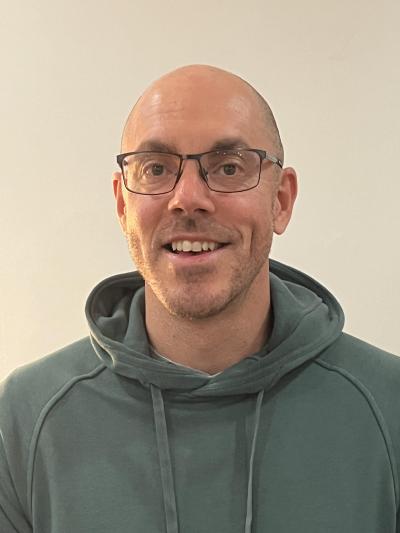
I saw a couple doctors who did not help much (Trazodone hangovers are awful when you don’t sleep after taking the medication at night). But one of them suggested I read the book “Say Goodnight to Insomnia.” I was mid-flight on my way to Miami to visit friends one Friday in September 2015 when I came across the chapter on anxiety.
I had heard of anxiety, but knew little about it. Then I read every word of the chapter. ‘Holy crap!’ I thought to myself. ‘This is me! This has been me for years! This is what makes me feel so afraid and worried sometimes. This has got to be what is keeping me awake.’
Growing up as a boy obsessed with playing team sports and meeting hypermasculine norms in the late 20th century, my father, many of my coaches and teachers, and American culture at large implicitly instructed me to hold in my feelings and take care of my problems myself whenever possible. So, besides a few months in seventh grade when my mother successfully got me to attend psychotherapy, I had never seen a medical provider about the bizarre thoughts in my head or how anxious and terrified I felt sometimes—usually over something seemingly as meaningless as walking ahead of friends (where I could not see them) when I was a teen.
It took my unquenchable desire to sleep again in 2015 to move me to finally get help. I started with weekly group classes of cognitive behavior therapy. One evening I studied a handout diagramming the human brain and listened to a provider explain what the amygdala does, including triggering panic attacks. ‘Holy crap!’ I said to myself again, flashing back to those days in Hebrew School and at the dance. ‘That’s what that was!’
Recognizing what I was dealing with marked my first major step confronting my disorders, pushing me towards more comprehensive treatment. But SSRI medication and cannabidiol were not very effective.
About a year later I was speaking with a presenter at a medical conference when we found that we were both struggling with anxiety. “Have you tried meditating? That’s been the best thing for me,” he said.
“I haven’t.”
I had read about the value of meditating and knew a few people who practiced, but I had never considered doing so myself. Now, just beginning to take care of my anxiety disorders and struggling to find answers, I was willing to try almost anything. I immediately downloaded an app and started meditating.
After suffering major side effects while taking those SSRI medications, I then took a pharmacogenetic test to make sure whatever drugs I tried next would at least not stimulate my anxiety, panic and insomnia. The results and a new, more open-minded doctor eventually got me on a regimen that mostly helps. It is quite atypical, but who cares? It works for me. Every body is different.
Today I am not fully healed but am doing much better than 2015—or even 2017, 2020 or 2022. My practices; the meds; and key resources, content, and connections such as those provided by ADAA fuel my treatment and give me peace of mind I need to manage my disorders. I also recently went deep, mining and processing memories of the days when my disorders suddenly emerged in fifth grade, to help fuel my memoir.
I shared my story with ADAA because I hope that others suffering from anxiety disorders can learn from my experiences, especially the need to open up about what they are experiencing.
It has been a long journey over the decade since I read that insomnia book, featuring bouts I would not wish on my worst middle school bullies (who used to delight in inciting my panic attacks). But I am still here—earning a living, writing and usually enjoying life.
Because I know what I am dealing with and am willing to get help.


Take Action
Find Help. Learn More. Support ADAA.