Authored by: Paul Greene, PhD
Have you ever wondered, Why don’t I enjoy things the way I used to?
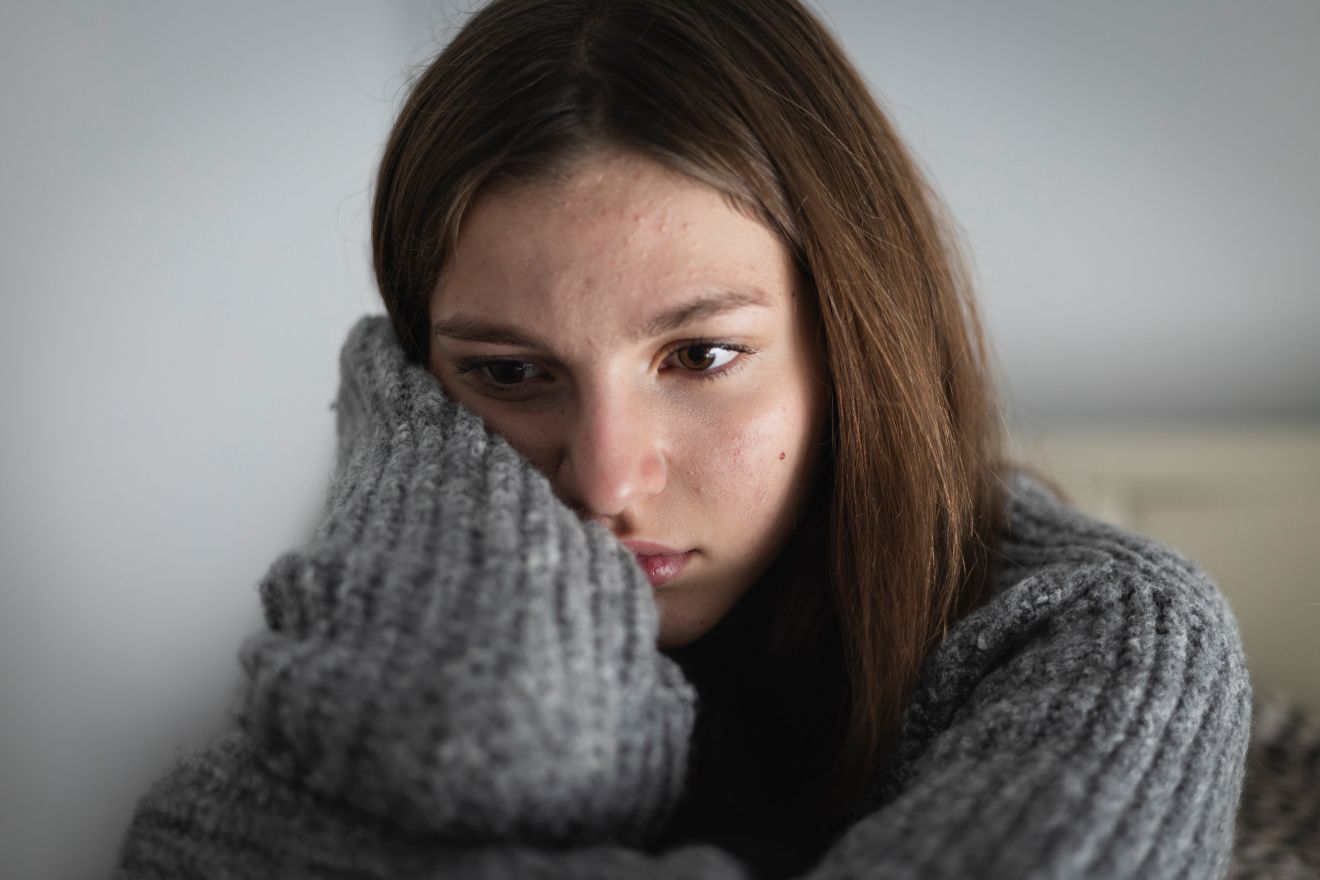
Sometimes people notice that music sounds more like background noise, hobbies feel more like obligations, or time with friends seems emotionally flat. They may feel disconnected or generally unable to enjoy things as they have in the past. It can be tempting to attribute such changes to age, changes in life circumstances, or stressors in your life. However, sometimes there is a different reason for this newfound state. Mental health professionals sometimes use the term anhedonia to describe a reduced ability to experience pleasure or interest.
What Is Anhedonia?
Anhedonia is a noticeable reduction in interest or enjoyment in activities. These activities lose their appeal and don’t produce the same positive experiences they did before. Anhedonia, along with low mood, is considered one of the two principal features of clinical depression. Anhedonia can be a symptom of other conditions as well but is most closely associated with depression.
What Does Anhedonia Feel Like?
Anhedonia is often most noticeable for the things you don’t feel.
- Seeing friends or participating in your hobbies has less appeal than before. These activities don’t feel unpleasant, but they don’t produce the joy and happiness you’ve felt before doing those same things.
- Sometimes people report feeling numb or bored doing activities they used to enjoy.
- Food can be less enjoyable than it was, excitement can be harder to come by, and motivation more difficult.
- Many people with anhedonia also say they don’t look forward to the things they used to.
So, there is not only reduced enjoyment of activities when they’re happening, but reduced ability to anticipate pleasure as well.
Is Anhedonia the Same as Depression?
Anhedonia is just one symptom of depression. People with depression typically have more than one symptom. Other symptoms can include:
- low mood,
- changes in sleep,
- reduced energy levels,
- poor appetite, and others.
Having anhedonia does not necessarily mean someone is clinically depressed. It can be part of a mild depression, or an indicator of other conditions. Anhedonia can be a part of mild, moderate or severe depression, or other conditions including substance use disorders, schizophrenia, bipolar disorder, Parkinson’s disease, and others.
Why Does Anhedonia Happen?
Researchers do not yet fully understand why anhedonia happens. There are indicators that people with anhedonia show different functioning of their reward and motivation systems. However, it is difficult to determine if these differences cause anhedonia, are a consequence of it, or have some other relationship to anhedonia. The causes of depression are somewhat better understood, although not fully.
Depression can be caused by stressful life events, illnesses or medical conditions, genetic factors, brain chemistry, and certain thinking patterns. Because anhedonia is a symptom of depression, any of these factors that cause depression can also contribute to anhedonia.
What about GLP-1 Medications?
The relatively new GLP-1 receptor agonist medications have helped many people with diabetes and weight management, but some people have reported changes in enjoyment or emotional experience. Some people have reported feeling emotionally flatter after starting one of these medications. Many others have reported improvements in mood and quality of life, which are thought to be consequences of their weight loss and improved medical health. Research on this topic is ongoing and in an early stage as of 2026.
Can Anhedonia Improve?
Like other symptoms of depression, anhedonia can improve. The same changes that have been shown to improve depressive symptoms can improve anhedonia. These include:
Sometimes just talking with someone going through something similar can be helpful. It can be challenging to make behavioral changes when you’re feeling the effects of anhedonia or depression. However, sometimes the changes in your activities can produce improvements in anhedonia, which is a little counterintuitive. People often feel like they need to wait until they feel motivated in order to do something social or enjoyable; sometimes getting yourself to do it despite feeling depressed or unmotivated can help reduce anhedonia.
When Should Someone Seek Help?
Although anhedonia does not necessarily mean there is an urgent problem, it may be worth seeking help if it persists, significantly affects your daily functioning, interferes with relationships, or occurs alongside thoughts of death or self-harm. A mental health professional can give you their impressions of whether which life changes or treatment options are most likely to help.
Losing the ability to feel joy can be unsettling and isolating. But anhedonia is not a character flaw, sign of laziness, or evidence that there is any sort of permanent problem. Understanding what may be contributing to anhedonia is often the first step toward reconnecting with the parts of life that once felt meaningful.









ADAA Blog Content and Blog Comments Policy
ADAA provides this Website blogs for the benefit of its members and the public. The content, view and opinions published in Blogs written by our personnel or contributors – or from links or posts on the Website from other sources - belong solely to their respective authors and do not necessarily reflect the views of ADAA, its members, management or employees. Any comments or opinions expressed are those of their respective contributors only. Please remember that the open and real-time nature of the comments posted to these venues makes it is impossible for ADAA to confirm the validity of any content posted, and though we reserve the right to review and edit or delete any such comment, we do not guarantee that we will monitor or review it. As such, we are not responsible for any messages posted or the consequences of following any advice offered within such posts. If you find any posts in these posts/comments to be offensive, inaccurate or objectionable, please contact us via email at [email protected] and reference the relevant content. If we determine that removal of a post or posts is necessary, we will make reasonable efforts to do so in a timely manner.
ADAA expressly disclaims responsibility for and liabilities resulting from, any information or communications from and between users of ADAA’s blog post commenting features. Users acknowledge and agree that they may be individually liable for anything they communicate using ADAA’s blogs, including but not limited to defamatory, discriminatory, false or unauthorized information. Users are cautioned that they are responsible for complying with the requirements of applicable copyright and trademark laws and regulations. By submitting a response, comment or content, you agree that such submission is non-confidential for all purposes. Any submission to this Website will be deemed and remain the property of ADAA.
The ADAA blogs are forums for individuals to share their opinions, experiences and thoughts related to mental illness. ADAA wants to ensure the integrity of this service and therefore, use of this service is limited to participants who agree to adhere to the following guidelines:
1. Refrain from transmitting any message, information, data, or text that is unlawful, threatening, abusive, harassing, defamatory, vulgar, obscene, that may be invasive of another 's privacy, hateful, or bashing communications - especially those aimed at gender, race, color, sexual orientation, national origin, religious views or disability.
Please note that there is a review process whereby all comments posted to blog posts and webinars are reviewed by ADAA staff to determine appropriateness before comments are posted. ADAA reserves the right to remove or edit a post containing offensive material as defined by ADAA.
ADAA reserves the right to remove or edit posts that contain explicit, obscene, offensive, or vulgar language. Similarly, posts that contain any graphic files will be removed immediately upon notice.
2. Refrain from posting or transmitting any unsolicited, promotional materials, "junk mail," "spam," "chain mail," "pyramid schemes" or any other form of solicitation. ADAA reserves the right to delete these posts immediately upon notice.
3. ADAA invites and encourages a healthy exchange of opinions. If you disagree with a participant 's post or opinion and wish to challenge it, do so with respect. The real objective of the ADAA blog post commenting function is to promote discussion and understanding, not to convince others that your opinion is "right." Name calling, insults, and personal attacks are not appropriate and will not be tolerated. ADAA will remove these posts immediately upon notice.
4. ADAA promotes privacy and encourages participants to keep personal information such as address and telephone number from being posted. Similarly, do not ask for personal information from other participants. Any comments that ask for telephone, address, e-mail, surveys and research studies will not be approved for posting.
5. Participants should be aware that the opinions, beliefs and statements on blog posts do not necessarily represent the opinions and beliefs of ADAA. Participants also agree that ADAA is not to be held liable for any loss or injury caused, in whole or in part, by sponsorship of blog post commenting. Participants also agree that ADAA reserves the right to report any suspicions of harm to self or others as evidenced by participant posts.