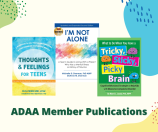
Summer 2025: New Member Books Tackle Mental Health Challenges Due to Chronic Illness and Ongoing Adversity

Summer 2025: New Member Books Tackle Mental Health Challenges Due to Chronic Illness and Ongoing Adversity

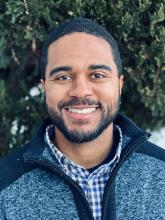
Ryan C.T. DeLapp, PhD

Ryan CT DeLapp, PhD

Ryan C.T. DeLapp, PhD, is a psychologist who specializes in treating individuals struggling with anxiety, phobias, panic disorder, ADHD, racial trauma and depression. He draws from evidence-based therapies including Cognitive Behavioral Therapy (CBT), Acceptance and Commitment Therapy (ACT) and Dialectical Behavioral Therapy (DBT). Dr DeLapp is widely recognized for his expertise in supporting minority individuals with healing from and learning to navigate cultural stressors within their lives and has developed a novel program at The Ross Center called REACH (Racial, Ethnic, and Cultural Healing). With an engaging, compassionate, and relatable style, Dr. DeLapp is committed to helping clients build the skills needed to thrive in their daily lives. Dr. DeLapp earned his Ph.D. in clinical psychology from the University of Louisville and is a licensed psychologist in New York, Washington, DC, Maryland, and Virginia. He completed his pre-doctoral internship at Montefiore Medical Center in the Bronx, NY, and has received advanced training in CBT, DBT, and ACT. Dr. DeLapp has practiced in a variety of clinical settings, including as assistant professor at the Albert Einstein College of Medicine, attending psychologist at Montefiore’s Child and Adolescent Outpatient Psychiatry Division, and psychologist at Einstein’s Student Mental Health Center. A highly regarded speaker and educator, he has taught master’s and doctoral level students and frequently presents at schools and clinical conferences. His expertise is often sought out by the national media, and he has participated in numerous podcasts and webinars for the public. Dr. DeLapp recently published a workbook titled Empower Yourself Against Racial and Cultural Stress: Using Skills from the REACH Program to Heal, Cope, and Thrive.

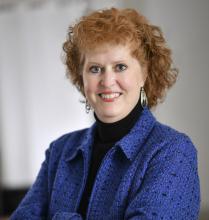
Jennifer Caspari, PhD

Jennifer Caspari, PhD

Jennifer Caspari, Ph.D., is a Registered/Licensed Psychologist in British Columbia and Colorado. She currently lives and works in Vancouver, BC, providing care to clients at an integrated health clinic, Tall Tree Health. Dr. Caspari specializes in delivering evidence-based psychotherapies to adults with acute and chronic health issues, including chronic pain, chronic fatigue, sleep difficulty/insomnia, health anxiety, cancer, body image issues, and other health concerns. She also provides evidence-based psychotherapies for stress, life transitions and adjustment concerns, anxiety disorders, depression, and grief.  

Dr. Caspari has expertise in health psychology, helping clients to live full and meaningful lives with acute and/or chronic illness and chronic pain. Her collaborative, warm, and empathetic approach focuses on enhancing functioning, the ability to engage in values-based behaviors, and overall quality of life. Dr. Caspari aims to support clients in gaining awareness of their thoughts, emotions, and behaviors and to translate that insight into helpful and personally worthwhile changes in their daily lives. She views much of her role as helping clients enhance their cognitive, emotional, and behavioral flexibility to improve their well-being. 

Dr. Caspari has an extensive skill set in evidence-based psychotherapies with diverse populations. For example, she is trained in Cognitive Behavior Therapy (CBT), CBT for Insomnia (CBT-I), CBT for Chronic Pain (CBT-CP), Acceptance and Commitment Therapy (ACT), Mindfulness-Based Cognitive Therapy (MBCT), and Cognitive Processing Therapy (CPT). Dr. Caspari lives with mild cerebral palsy and writes a Psychology Today blog titled Living Well When Your Body Doesn't Cooperate. She is the author of You Are More Than Your Body: 30+ Evidence-Based Strategies for Living Well with Chronic Illness – By a clinical therapist living with cerebral palsy, which was published by North Atlantic Books in June 2025. She is also a freelance writer for The Globe and Mail, contributing to an “Ask A Therapist” column. Dr. Caspari also has experience training professionals on how to provide evidence-based therapy interventions. For example, she is the creator and instructor of a chronic pain course with PESI, a leader in providing continuing education to mental health professionals across the United States. 

Dr. Caspari completed her psychology training in the US. She earned her undergraduate degree in psychology from American University and a master’s degree in community counseling from George Washington University. She earned her Ph.D. in counseling psychology from the University of Denver. Dr. Caspari completed internship training at the VA Salt Lake City Health Care System, where she focused on behavioral medicine and health psychology, and completed specialized post-doctoral training in psycho-oncology at the Colorado Blood Cancer Institute (CBCI) in Denver, Colorado.  In her free time, Dr. Caspari enjoys spending time with loved ones, moving her body while listening to audiobooks, reading, watching cooking and baking shows, and eating delicious food. She can be found on social media @moxie_mindset. 
 

Michelle D. Sherman, PhD, LP, ABPP

Michelle D. Sherman, PhD, LP, ABPP

Michelle D. Sherman, PhD, LP, ABPP, is a board-certified clinical psychologist who has dedicated her career to supporting families of adults living with a mental illness or trauma history. She is a Fellow of APA’s Society for Couple and Family Psychology, and was named their Family Psychologist of the Year in 2022. She is the Editor in Chief of the journal, Couple and Family Psychology: Research and Practice. Michelle has served as a therapist for over 30 years, providing individual and couples psychotherapy to adults in a VA medical center, urban primary care clinic, community clinic, inpatient psychiatric unit, and private practice. As an educator, she served as a Full Professor at the University of Oklahoma Health Sciences Center and the University of Minnesota Medical School, teaching and supervising trainees from numerous disciplines. She enjoys public speaking, having given over 250 workshops nationally and internationally. She has published over 75 articles in peer-reviewed journals, and over 80 book chapters and articles in other sources. In her personal life, she writes books (with her co-author mother) for family members who love someone living with a mental illness/PTSD.

Boost Search Results
Off

Summer 2025: New Member Books Tackle Mental Health Challenges Due to Chronic Illness and Ongoing Adversity

Share
No
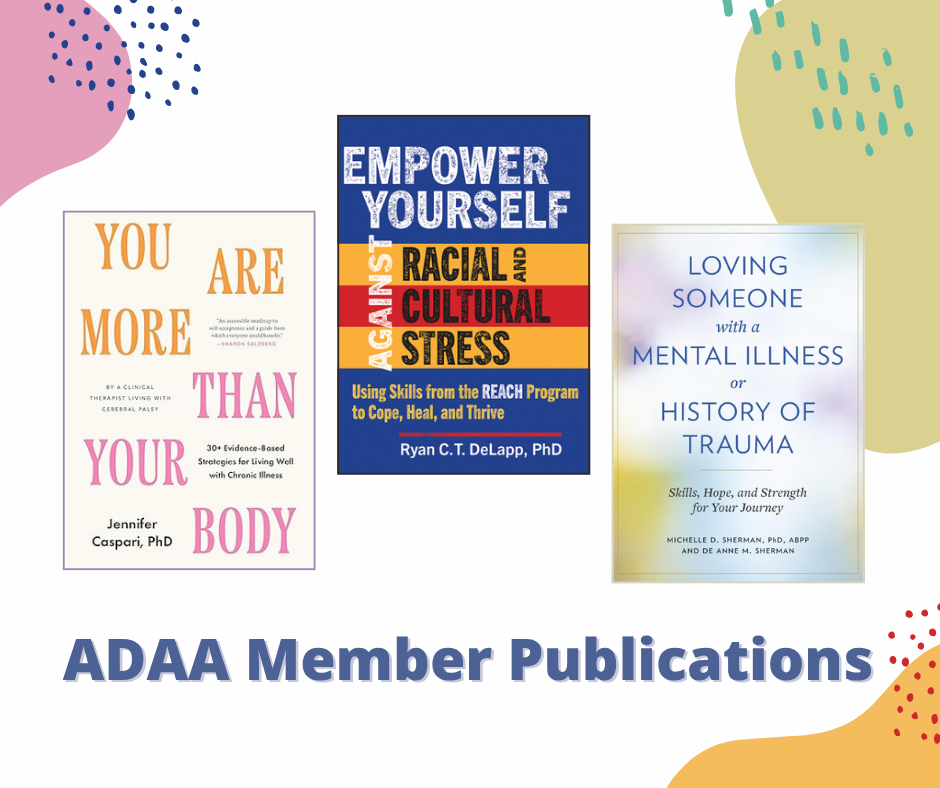
ADAA Member Publications, Summer 2025 books, Empower Yourself, More Than a Body, Loving Someone With a Mental Illness

Books by: Ryan C.T. DeLapp, PhD, Jennifer Caspari, PhD, and Michelle D. Sherman, PhD, LP, ABPP
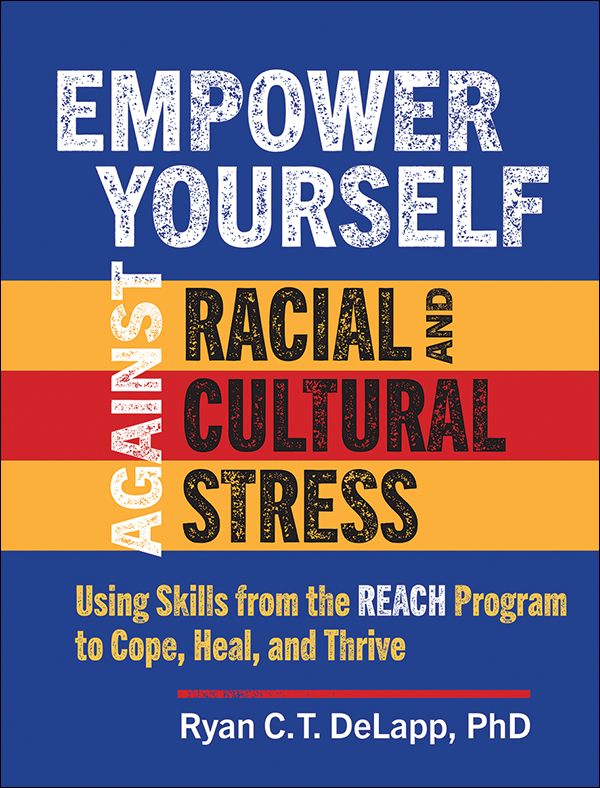
New Book Helps Teens and Young Adults Cope with Racial and Cultural Stress

Teens and young adults of color often face racial and cultural stress that can lead to mental health struggles such as depression and anxiety. Being judged, mistreated, or denied opportunities because of one’s background can be damaging at any age, but especially for younger individuals who are still developing their identity.

In his new book, Empower Yourself Against Racial and Cultural Stress: Using Skills from the REACH Program to Cope, Heal, and Thrive, ADAA member Ryan DeLapp, PhD offers practical tools to help readers cope with, heal from, and grow beyond the impacts of racial and cultural stress.

Dr. DeLapp explains that his book is designed to be flexible. “Readers can complete Part 1 and then choose which remaining sections to focus on,” he says. “They can return to the book anytime for additional support and follow the paths that best meet their needs.”

Aligned with Dr. DeLapp’s REACH program, the book weaves in strategies, stories, and worksheets, following the journeys of three fictional navigators - Greg, Amia, and Jamal - as they explore how to:

  • Identify cultural stressors
  • Cope with painful emotions caused by discrimination
  • Stand up to injustice and improve stressful environments
  • Grow self-love, self-confidence, and cultural pride
  • Start meaningful conversations about racial and cultural stress
  • Explore identity and embrace self-discovery

“The goal,” says Dr. DeLapp, “is to help readers and their support networks heal so they can grow in self-acceptance and discover what true empowerment means for them.”
Order Empower Yourself Against Racial and Cultural Stress: Using Skills from the REACH Program to Cope, Heal, and Thrive.

Disabled Clinician’s New Book Proves You’re More Than Your Body

Living with chronic illness or disability is both physically and emotionally exhausting, and it can significantly increase the risk of depression and anxiety.

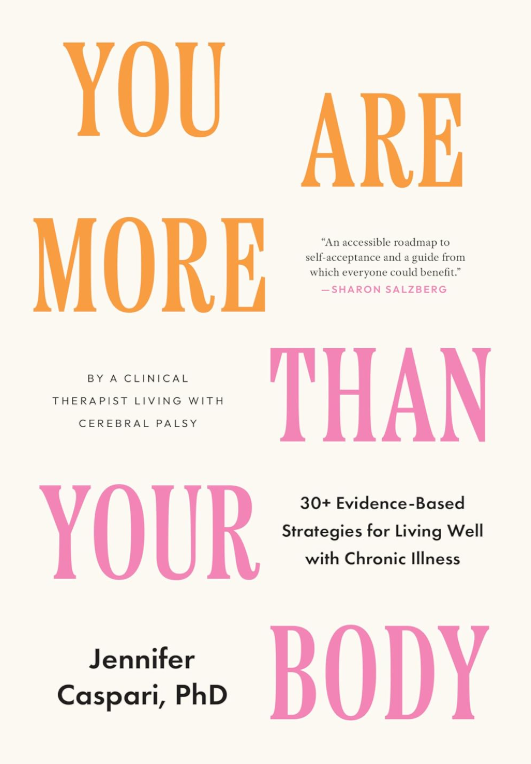
ADAA member Jennifer Caspari, PhD knows this firsthand. As a clinical psychologist and a woman with cerebral palsy, she combines professional insight with lived experience in her new book, You Are More Than Your Body: 30+ Evidence-Based Strategies for Living Well with Chronic Illness--By a Clinical Therapist Living with Cerebral Palsy.

“It’s normal to feel stuck or like you’re just surviving,” says Dr. Caspari. “But it’s possible to take realistic steps toward a better quality of life, even amid ongoing challenges.”

Her book offers over 30 practical, evidence-based strategies to support readers in navigating daily life with chronic illness or disability, including:

  • Understanding your internal experience
  • Building self-compassion and radical acceptance
  • Shifting mental focus to reframe unhelpful thoughts
  • Setting realistic and meaningful goals
  • Learning to tolerate discomfort and adapt
  • Using the “pause” to respond thoughtfully to challenges

Dr. Caspari emphasizes connection and empowerment throughout her book. She hopes readers feel seen, understood, and capable of creating a life aligned with their values - regardless of their body’s limitations.
Order You Are More Than Your Body: 30+ Evidence-Based Strategies for Living Well with Chronic Illness--By a Clinical Therapist Living with Cerebral Palsy.

Mother-Daughter Team Offers Support for Families of Those with Mental Illness or Trauma

Supporting a loved one with mental illness or trauma can be overwhelming and isolating. ADAA member Michelle Sherman, PhD, LP ABPP, and her mother De Anne M. Sherman, an educator and advocate, have spent 20 years writing resources for families on this journey.

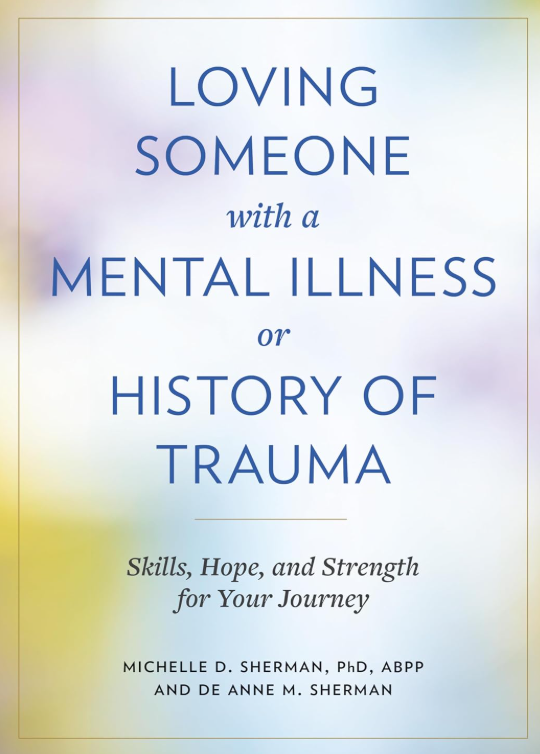
Their newest book, Loving Someone w/a Mental Illness or History of Trauma: Skills, Hope, Strength for Your Journey, offers practical advice and emotional encouragement for families and friends of people living with mental health conditions or trauma histories.

“Loving someone with mental illness can be exhausting,” says Dr. Sherman. “But you’re not alone. It’s important to care for yourself, accept what’s out of your control, and believe that recovery is possible.”

This comprehensive and compassionate guide includes:

  • Tools to manage difficult emotions
  • Strategies for empowering loved ones and navigating the mental health system
  • Communication techniques and boundary-setting
  • Support for loved ones with trauma or PTSD
  • Guidance on handling substance use or refusal of professional help
  • Tips for building resilience and strengthening relationships

What sets this book apart?

  1. Highly interactive: with reflection questions, self-assessments, and guided activities
  2. Deeply personal: with stories and insights from families who’ve “been there”
  3. A unique author duo: a psychologist and an advocate who are also mother and daughter, bringing clinical expertise and lived family experience

Order Loving Someone w/ a Mental Illness or History of Trauma: Skills, Hope, Strength for Your Journey.
Ryan C.T. DeLapp, PhD

Ryan CT DeLapp, PhD

Ryan C.T. DeLapp, PhD, is a psychologist who specializes in treating individuals struggling with anxiety, phobias, panic disorder, ADHD, racial trauma and depression. He draws from evidence-based therapies including Cognitive Behavioral Therapy (CBT), Acceptance and Commitment Therapy (ACT) and Dialectical Behavioral Therapy (DBT). Dr DeLapp is widely recognized for his expertise in supporting minority individuals with healing from and learning to navigate cultural stressors within their lives and has developed a novel program at The Ross Center called REACH (Racial, Ethnic, and Cultural Healing). With an engaging, compassionate, and relatable style, Dr. DeLapp is committed to helping clients build the skills needed to thrive in their daily lives. Dr. DeLapp earned his Ph.D. in clinical psychology from the University of Louisville and is a licensed psychologist in New York, Washington, DC, Maryland, and Virginia. He completed his pre-doctoral internship at Montefiore Medical Center in the Bronx, NY, and has received advanced training in CBT, DBT, and ACT. Dr. DeLapp has practiced in a variety of clinical settings, including as assistant professor at the Albert Einstein College of Medicine, attending psychologist at Montefiore’s Child and Adolescent Outpatient Psychiatry Division, and psychologist at Einstein’s Student Mental Health Center. A highly regarded speaker and educator, he has taught master’s and doctoral level students and frequently presents at schools and clinical conferences. His expertise is often sought out by the national media, and he has participated in numerous podcasts and webinars for the public. Dr. DeLapp recently published a workbook titled Empower Yourself Against Racial and Cultural Stress: Using Skills from the REACH Program to Heal, Cope, and Thrive.

Jennifer Caspari, PhD

Jennifer Caspari, PhD

Jennifer Caspari, Ph.D., is a Registered/Licensed Psychologist in British Columbia and Colorado. She currently lives and works in Vancouver, BC, providing care to clients at an integrated health clinic, Tall Tree Health. Dr. Caspari specializes in delivering evidence-based psychotherapies to adults with acute and chronic health issues, including chronic pain, chronic fatigue, sleep difficulty/insomnia, health anxiety, cancer, body image issues, and other health concerns. She also provides evidence-based psychotherapies for stress, life transitions and adjustment concerns, anxiety disorders, depression, and grief.  

Dr. Caspari has expertise in health psychology, helping clients to live full and meaningful lives with acute and/or chronic illness and chronic pain. Her collaborative, warm, and empathetic approach focuses on enhancing functioning, the ability to engage in values-based behaviors, and overall quality of life. Dr. Caspari aims to support clients in gaining awareness of their thoughts, emotions, and behaviors and to translate that insight into helpful and personally worthwhile changes in their daily lives. She views much of her role as helping clients enhance their cognitive, emotional, and behavioral flexibility to improve their well-being. 

Dr. Caspari has an extensive skill set in evidence-based psychotherapies with diverse populations. For example, she is trained in Cognitive Behavior Therapy (CBT), CBT for Insomnia (CBT-I), CBT for Chronic Pain (CBT-CP), Acceptance and Commitment Therapy (ACT), Mindfulness-Based Cognitive Therapy (MBCT), and Cognitive Processing Therapy (CPT). Dr. Caspari lives with mild cerebral palsy and writes a Psychology Today blog titled Living Well When Your Body Doesn't Cooperate. She is the author of You Are More Than Your Body: 30+ Evidence-Based Strategies for Living Well with Chronic Illness – By a clinical therapist living with cerebral palsy, which was published by North Atlantic Books in June 2025. She is also a freelance writer for The Globe and Mail, contributing to an “Ask A Therapist” column. Dr. Caspari also has experience training professionals on how to provide evidence-based therapy interventions. For example, she is the creator and instructor of a chronic pain course with PESI, a leader in providing continuing education to mental health professionals across the United States. 

Dr. Caspari completed her psychology training in the US. She earned her undergraduate degree in psychology from American University and a master’s degree in community counseling from George Washington University. She earned her Ph.D. in counseling psychology from the University of Denver. Dr. Caspari completed internship training at the VA Salt Lake City Health Care System, where she focused on behavioral medicine and health psychology, and completed specialized post-doctoral training in psycho-oncology at the Colorado Blood Cancer Institute (CBCI) in Denver, Colorado.  In her free time, Dr. Caspari enjoys spending time with loved ones, moving her body while listening to audiobooks, reading, watching cooking and baking shows, and eating delicious food. She can be found on social media @moxie_mindset. 
 

Michelle D. Sherman, PhD, LP, ABPP

Michelle D. Sherman, PhD, LP, ABPP

Michelle D. Sherman, PhD, LP, ABPP, is a board-certified clinical psychologist who has dedicated her career to supporting families of adults living with a mental illness or trauma history. She is a Fellow of APA’s Society for Couple and Family Psychology, and was named their Family Psychologist of the Year in 2022. She is the Editor in Chief of the journal, Couple and Family Psychology: Research and Practice. Michelle has served as a therapist for over 30 years, providing individual and couples psychotherapy to adults in a VA medical center, urban primary care clinic, community clinic, inpatient psychiatric unit, and private practice. As an educator, she served as a Full Professor at the University of Oklahoma Health Sciences Center and the University of Minnesota Medical School, teaching and supervising trainees from numerous disciplines. She enjoys public speaking, having given over 250 workshops nationally and internationally. She has published over 75 articles in peer-reviewed journals, and over 80 book chapters and articles in other sources. In her personal life, she writes books (with her co-author mother) for family members who love someone living with a mental illness/PTSD.

ADAA Blog Content and Blog Comments Policy

ADAA provides this Website blogs for the benefit of its members and the public. The content, view and opinions published in Blogs written by our personnel or contributors – or from links or posts on the Website from other sources - belong solely to their respective authors and do not necessarily reflect the views of ADAA, its members, management or employees. Any comments or opinions expressed are those of their respective contributors only. Please remember that the open and real-time nature of the comments posted to these venues makes it is impossible for ADAA to confirm the validity of any content posted, and though we reserve the right to review and edit or delete any such comment, we do not guarantee that we will monitor or review it. As such, we are not responsible for any messages posted or the consequences of following any advice offered within such posts. If you find any posts in these posts/comments to be offensive, inaccurate or objectionable, please contact us via email at [email protected] and reference the relevant content. If we determine that removal of a post or posts is necessary, we will make reasonable efforts to do so in a timely manner.

ADAA expressly disclaims responsibility for and liabilities resulting from, any information or communications from and between users of ADAA’s blog post commenting features. Users acknowledge and agree that they may be individually liable for anything they communicate using ADAA’s blogs, including but not limited to defamatory, discriminatory, false or unauthorized information. Users are cautioned that they are responsible for complying with the requirements of applicable copyright and trademark laws and regulations. By submitting a response, comment or content, you agree that such submission is non-confidential for all purposes. Any submission to this Website will be deemed and remain the property of ADAA.

The ADAA blogs are forums for individuals to share their opinions, experiences and thoughts related to mental illness. ADAA wants to ensure the integrity of this service and therefore, use of this service is limited to participants who agree to adhere to the following guidelines:

1. Refrain from transmitting any message, information, data, or text that is unlawful, threatening, abusive, harassing, defamatory, vulgar, obscene, that may be invasive of another 's privacy, hateful, or bashing communications - especially those aimed at gender, race, color, sexual orientation, national origin, religious views or disability.

Please note that there is a review process whereby all comments posted to blog posts and webinars are reviewed by ADAA staff to determine appropriateness before comments are posted. ADAA reserves the right to remove or edit a post containing offensive material as defined by ADAA.

ADAA reserves the right to remove or edit posts that contain explicit, obscene, offensive, or vulgar language. Similarly, posts that contain any graphic files will be removed immediately upon notice.

2. Refrain from posting or transmitting any unsolicited, promotional materials, "junk mail," "spam," "chain mail," "pyramid schemes" or any other form of solicitation. ADAA reserves the right to delete these posts immediately upon notice.

3. ADAA invites and encourages a healthy exchange of opinions. If you disagree with a participant 's post or opinion and wish to challenge it, do so with respect. The real objective of the ADAA blog post commenting function is to promote discussion and understanding, not to convince others that your opinion is "right." Name calling, insults, and personal attacks are not appropriate and will not be tolerated. ADAA will remove these posts immediately upon notice.

4. ADAA promotes privacy and encourages participants to keep personal information such as address and telephone number from being posted. Similarly, do not ask for personal information from other participants. Any comments that ask for telephone, address, e-mail, surveys and research studies will not be approved for posting.

5. Participants should be aware that the opinions, beliefs and statements on blog posts do not necessarily represent the opinions and beliefs of ADAA. Participants also agree that ADAA is not to be held liable for any loss or injury caused, in whole or in part, by sponsorship of blog post commenting. Participants also agree that ADAA reserves the right to report any suspicions of harm to self or others as evidenced by participant posts.

RESOURCES AND NEWS
Evidence-based Tips & Strategies from our Member Experts
RELATED ARTICLES
Block reference