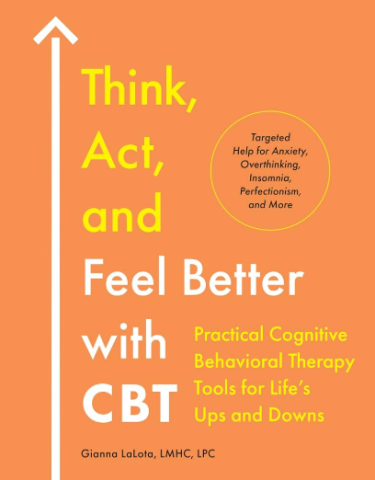
A Clinical Reference for Licensed Clinicians
Overview
This clinical reference supports the Anxiety and Depression Association of America’s (ADAA) mission to improve the prevention and treatment of anxiety, depression, and related disorders through evidence-based education and dissemination of scientific knowledge.
This page summarizes:
- DSM-5-TR diagnostic criteria for Major Depressive Disorder (MDD). Visit the DSM-5 website; requires subscription and login.
- Current evidence-based treatment approaches
- Stepped-care and collaborative care models
Intended Audience:
This clinical reference is for licensed mental health and medical professionals, as well as training professionals. This content is for professional education only and is not intended for self-diagnosis or to replace formal clinical guidelines or individualized clinical judgment.
Purpose and Clinical Use
This resource is designed to support clinicians with:
- Diagnostic clarification
- Treatment planning
- Referral and level-of-care decisions
- Interdisciplinary collaboration
- Patient psychoeducation
Clinicians may use this page to:
- Review DSM-5-TR diagnostic criteria for MDD
- Identify first- and second-line treatments
- Apply stepped-care and shared decision-making models
- Recognize indications for specialty referrals or advanced interventions
Definition and Clinical Features
Major Depressive Disorder (MDD) is a common and serious mood disorder occurring in individuals across the lifespan, and characterized by a predominantly depressed mood and/or loss of interest or pleasure, accompanied by cognitive, emotional, and physical symptoms that impair daily functioning.
MDD is associated with:
- Increased risk of suicide
- Reduced quality of life and interference with daily functioning
- Functional disability across the lifespan
- Negative impact on physical health
DSM-5-TR Diagnostic Criteria: American Psychiatric Association. Diagnostic and Statistical Manual of Mental Disorders, Fifth Edition, Text Revision (DSM-5-TR).
Assessment and Diagnosis
Accurate diagnosis requires a comprehensive clinical evaluation, including:
- Assessment of symptom type, duration, and functional impairment, both current and historical.
Screening for:
Measurement-Based Care is strongly recommended. Validated instruments include:
Evidence-Based Treatment Approaches
Clinical guidelines emphasize a stepped-care and shared decision-making model, matching treatment intensity to symptom severity, patient preference, and prior treatment response.
Psychotherapy
First-line treatment for mild to moderate MDD (often in conjunction with psychotropic medication) and an essential component of care for moderate to severe depression.
Strong evidence-based supports:
Pharmacotherapy
First-line antidepressant classes:
- Selective serotonin reuptake inhibitors (SSRIs)
- Serotonin–norepinephrine reuptake inhibitors (SNRIs)
- Other second-generation antidepressants
Other classes of medication often used:
- Mood stabilizers
- Atypical antipsychotics
Medication selection should consider:
- Prior treatment response
- Side-effect profiles
- Medical comorbidities
- Family history of disorders and medical response
- Patient preference
Treatment response should be monitored using standardized symptom rating scales.
VA/DoD Clinical Practice Guideline for MDD
Combination Treatment
For moderate to severe depression, combined psychotherapy and pharmacotherapy is more effective than either treatment alone.
NICE Depression Guideline
Treatment-Resistant Depression
For patients who do not respond adequately to first-line treatments, evidence-based options include:
- Antidepressant switching
- Augmentation strategies:
- Atypical antipsychotics
- Mood stabilizers
- Thyroid hormone
- Neuromodulation therapies:
- Repetitive transcranial magnetic stimulation (rTMS)
- Electroconvulsive therapy (ECT)
- Ketamine or intranasal esketamine under appropriate medical supervision
FDA Esketamine Information
NIMH Neuromodulation Overview
JAMA Review on Treatment-Resistant Depression
Collaborative and Integrated Care Models
Collaborative care models are effective in primary care and community settings and include:
- Care coordination among primary care, mental health specialists, and care managers
- Family involvement Systematic follow-up
- Measurement-based treatment adjustments
AHRQ Collaborative Care Model
Special Populations
Specialized treatment consideration should be given to:
CDC Depression Data
NIMH Depression Statistics
Long-term management includes:
- Continuation treatment after remission
- Maintenance therapy for recurrent depression
- Periodic reassessment of symptoms and functioning
- Psychoeducation and relapse-prevention planning
Summary
Major Depressive Disorder is a treatable condition. Current clinical guidance emphasizes:
- Early detection and measurement-based care
- Evidence-based psychotherapy and pharmacotherapy
- Shared decision-making
- Stepped and collaborative care models
- Integration of advanced treatments for treatment-resistant depression
Timely, individualized, and coordinated care significantly improves outcomes for individuals with MDD.