Your support changes lives. Thank you!
Learn More
Hi to all who struggle every day. I've been struggling with anxiety, panic attacks and…
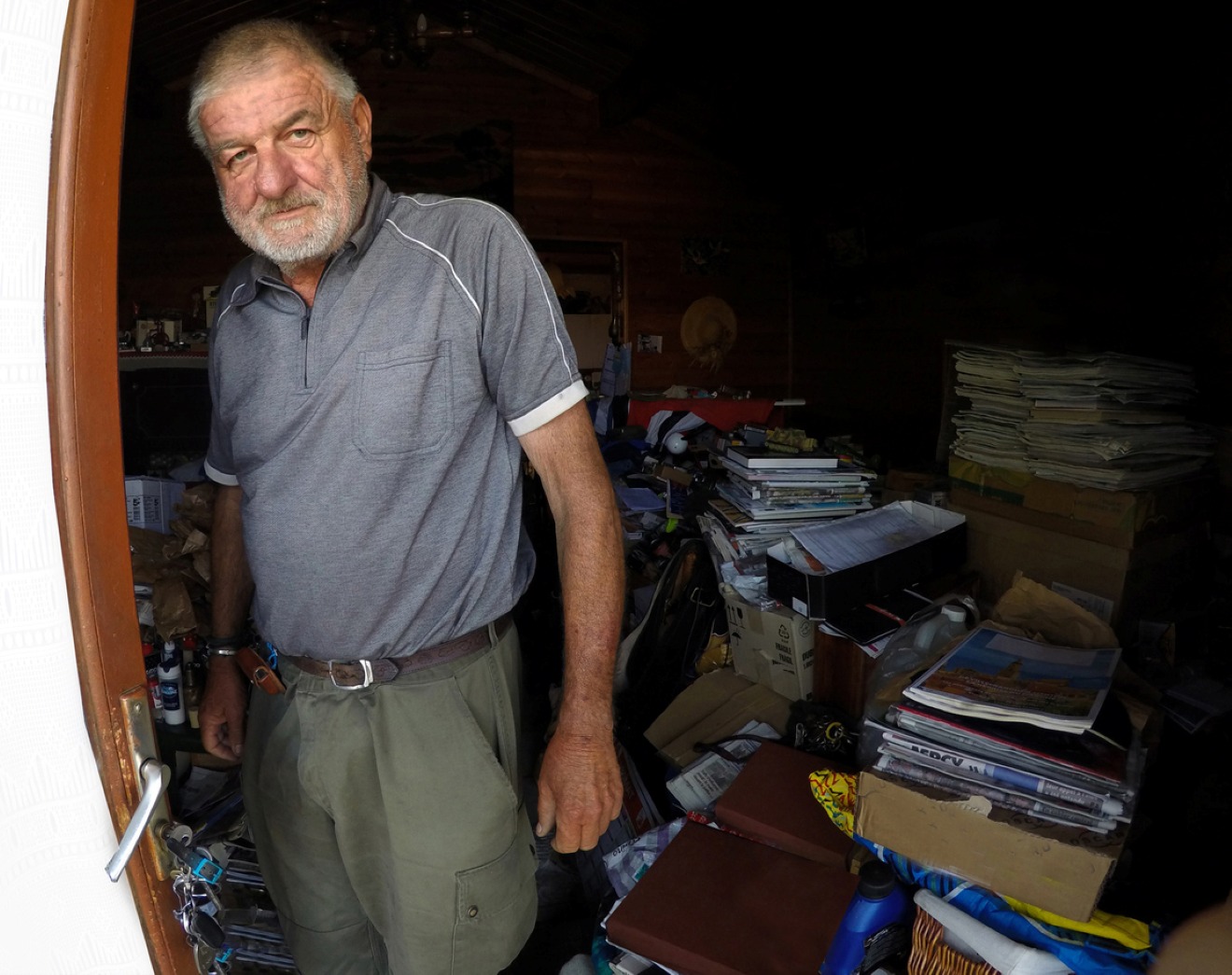
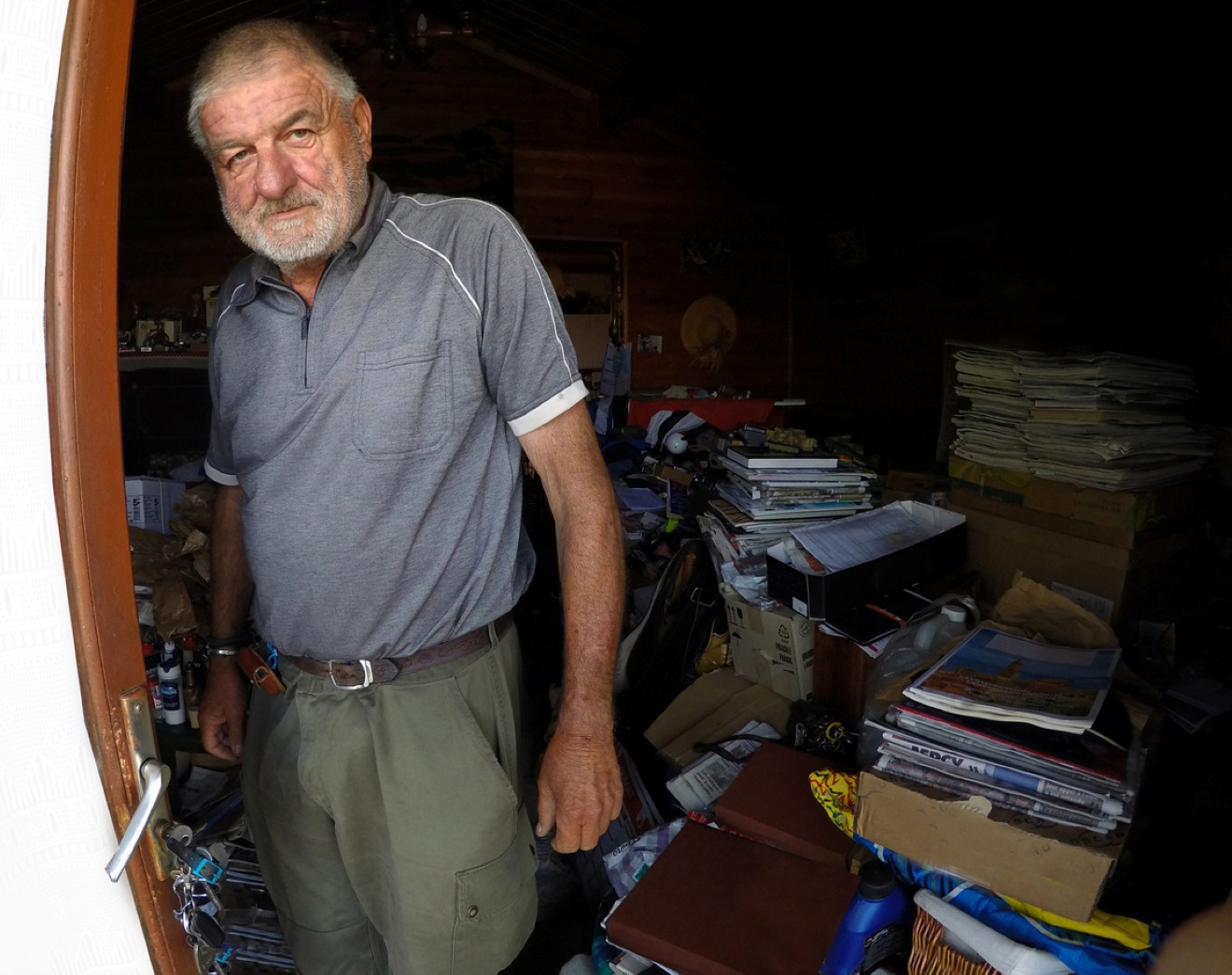
Join us July 15, for a free, live webinar by ADAA member expert, Fugen Neziroglu, PhD, ABPP, ABBP, which will explore the differences between normal collecting and Hoarding Disorder, helping participants recognize when saving possessions has become problematic. Attendees will learn about the warning signs of excessive accumulation, the factors that contribute to cluttered and disorganized living environments, and why some individuals experience greater difficulty discarding possessions than others.
The presentation will also examine the role that co-occurring conditions such as depression, ADHD, anxiety, and other mental health concerns may play in hoarding behaviors. Most importantly, Dr. Neziroglu will discuss evidence-based treatment approaches, strategies for increasing motivation to seek help, and practical ways family members can provide support. Special attention will be given to the challenges of encouraging a loved one with hoarding behaviors to engage in treatment and what families can do to help.
Following a brief presentation, participants will have the opportunity to ask questions during a live Q&A session.

Hi to all who struggle every day. I've been struggling with anxiety, panic attacks and…
Take Action
Find Help. Learn More. Support ADAA.




ADAA Continuing Education Credits for Live and On-Demand Programming
Learners complete an evaluation form to receive a certificate of completion. You must participate in the entire activity as partial credit is not available. If you are seeking continuing education credit for a specialty not listed below, it is your responsibility to contact your licensing/certification board to determine course eligibility for your licensing/certification requirement.
Some ADAA professional webinars focused on diversity or cultural competency subject matter are eligible for the Cross-Culture Competency Diversity Credit. If a webinar is eligible for this credit, it will be reflected on your credit certificate.
All continuing education credits are provided through Amedco, LLC. Learn more about the CE/CME accreditation information here.