
Body Dysmorphic Disorder (BDD)

Jordyn Tovey, LMSW
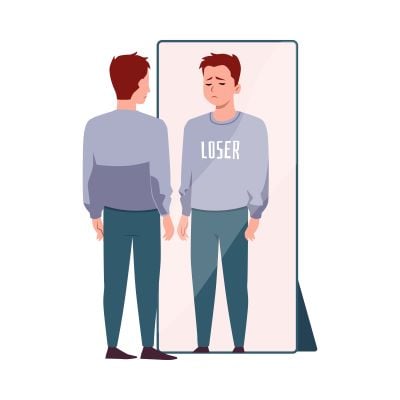
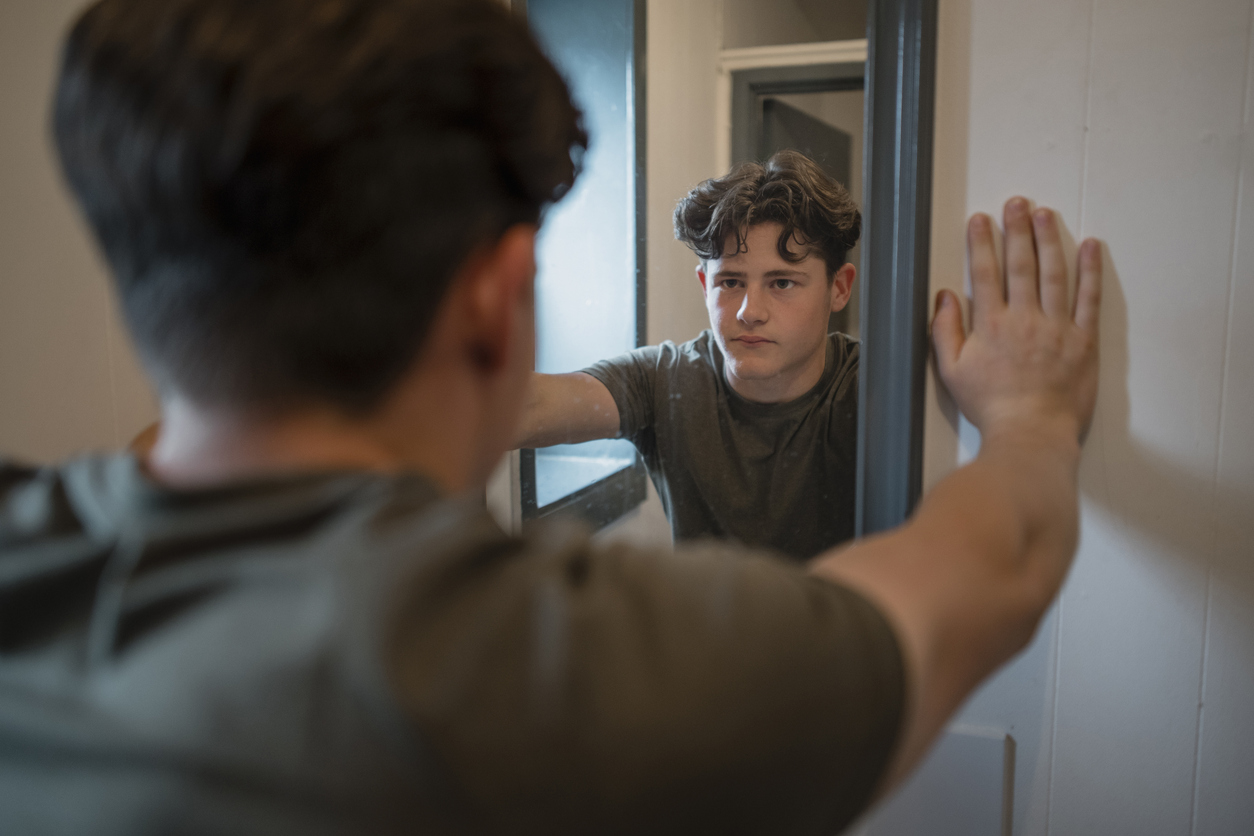
Looksmaxxing—a social media trend focused on maximizing physical attractiveness among teenage boys and young men—often mirrors symptoms of body dysmorphia and eating disorders, and should be treated as a serious mental health concern rather than merely a cultural phenomenon.
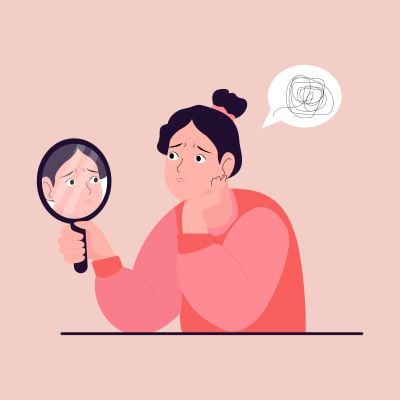
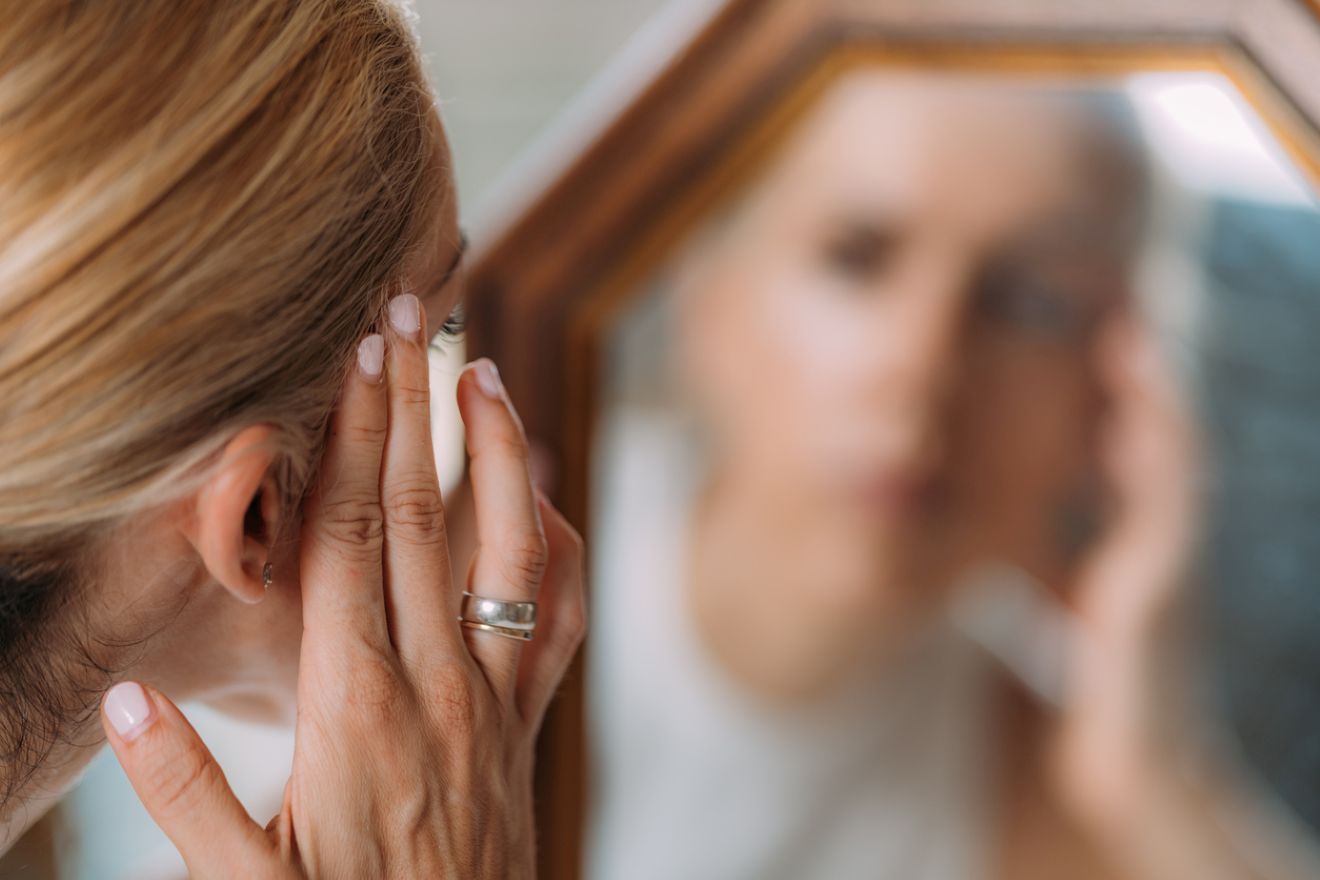
In BDD, people are tormented by obsessive thoughts associated with a part or parts of their physical appearance being flawed in some way, yet these flaws tend not to be noticeable to anyone but themselves.
While fitness can initially serve as a healthy and disciplined outlet for young men, the constant exposure to idealized online images can warp dedication into muscle dysmorphia, a rigid form of body dysmorphic disorder driven by anxiety and shame.
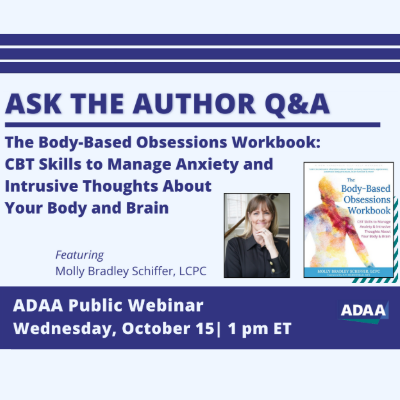
Promotional Image Ask the Author Q & A: The Body-Based Obsessions Workbook
October 15, 2025
Molly Schiffer, LCPC and
This mental health webinar reviews the book’s evidence-based strategies for overcoming body and mind-based obsessions, which are common in those with anxiety and obsessive-compulsive disorder (OCD).
Boy in the Mirror: Body Image Issues in Adolescent Males
December 10, 2024
Roberto Olivardia, PhD and
This presentation will focus on the various manifestations of body image issues and disorders we see today in boys and young men, including eating disorders, body dysmorphic disorder, and muscle dysmorphia.
by Jami Schadler
At the age of 15, I developed an eating disorder and have struggled with it for 25 years. This past year I found my strength to finally beat this disease. During the last 25 years, I suffered in silence because the resources were just not out there.
Surgery can be lifesaving. Surgery is often needed and can, for many conditions and situations, be a game changer. But more often than not, a surgical procedure for someone with Body Dysmorphic Disorder (BDD) will not help. It could potentially relieve the person of their symptoms for a short amount of time but it cannot treat or cure the underlying disorder.