

 When I booked my trip to Asia, I was 23, fresh out of college, and a 100% bundle of nerves. I had just learned about my relationship with mental health (I’ve got that delightful combo of Moderate Anxiety & Obsessive Compulsive Disorder) and was working in sync with my therapist to manage it.
_0_0.jpg) I was in the 10th grade when it happened. I was in school and I had a massive anxiety attack. But for me anxiety affects me differently and I ended up struggling in utter silence. My name is Kennedy and I have selective mutism.
I was in the 10th grade when it happened. I was in school and I had a massive anxiety attack. But for me anxiety affects me differently and I ended up struggling in utter silence. My name is Kennedy and I have selective mutism.
 When I was a freshman in high school I had my first ever anxiety attack. I remember it was a Tuesday, right at the end of first period biology class. I faked sick that day, told my teacher I needed to go home. I had no idea what was going on or how to handle the way my body was acting. This happened to me the next day and then the same thing the next two days after that, until my mom suggested I see a doctor.
 I’ve been pretty much battling with anxiety and depression most of my life for various reasons. However, the reason I’ve realized that possibly made my mental health quite difficult to bare was the fact that my parents in the beginning weren’t all that supportive. I assumed because I was honest and upfront with them about my issues, it would be easier to overcome them. I definitely thought wrong.
_0_0.jpg) Does this look like the face of someone who struggles with anxiety?
Does this look like the face of someone who struggles with anxiety?
 TV HOST STRUGGLED WITH POSTPARTUM ANXIETY is not a headline you expect to read from your bubbly, toothy sportscaster. Maybe it’s not one you expect to ever hear from a man. Can be. Is.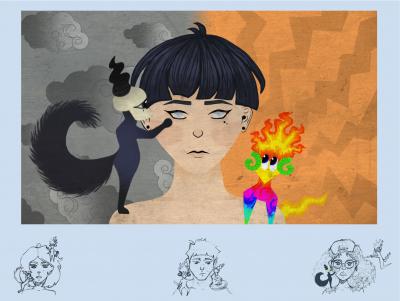
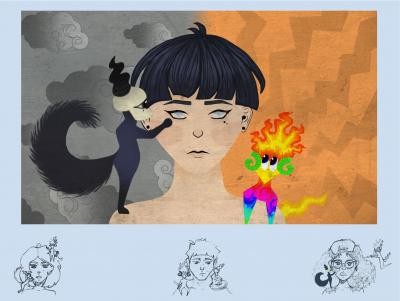 My name is Abigail Hills and I am an illustration major at Grand Valley State University in Michigan. I was in a car accident, a few years ago, and suffered a hit to the head. Since then I have been dealing with varying degrees of anxiety and depression. At first I didn’t understand what was going on. All I knew was that I was constantly worrying about things that had never bothered me before, and sometimes I did not want to be around people, or d
The Not-So-Obvious Symptoms of OCD in School
It may be hard to recognize that OCD is causing learning difficulties, interpersonal problems, or great distress and anxiety. When students are barraged by obsessive fears, doubts, and urges, they may perform rituals or compulsions to neutralize or undo these thoughts or feelings to try to feel better. But sometimes it’s not clear that a student’s behavior is connected to OCD. Students who have OCD may not perform these actions repeatedly in the classroom, or they may be completing rituals mentally or covertly.