Your support changes lives. Thank you!
Learn More
Discover a structured framework for assessing patients’ AI chatbot use, including its frequency,…
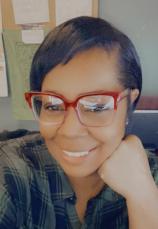
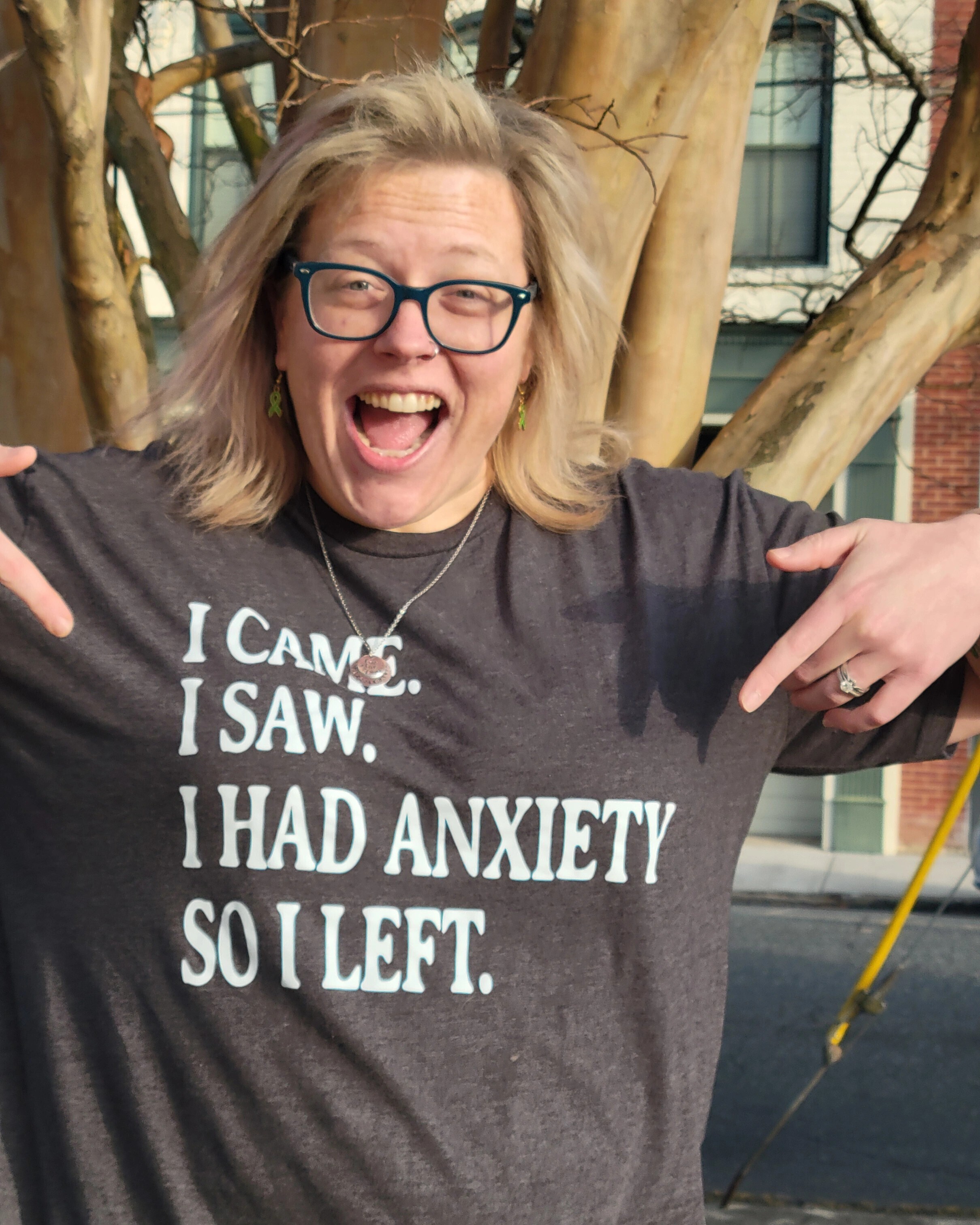 I began having mental health symptoms at the age of four after a traumatic experience, but I didn’t tell my parents and suffered in silence. In middle school, I developed paranoia, anxiety, delusions, hallucinations, and mood swings. I didn’t realize that these symptoms were abnormal. In my freshman year of high school, I read a magazine article about a young woman living with OCD. Her symptoms resonated with me. I showed my mother the article, and she agreed to take me to a doctor, where I was diagnosed with OCD. But I didn’t disclose my other symptoms.
I had taught myself to wear a mask in public, but it was extremely draining. I began having symptoms of depression during my senior year and I was diagnosed with mood disorder not otherwise specified and anxiety.
In my sophomore year of college, I began self-harming and was unable to leave my home due to the hallucinations. I was forced to withdraw from school due to my low grades. Soon after, I told my mother that I had thoughts of ending my life and I was taken to the mental hospital, where I was diagnosed with bipolar I disorder. I began treatment with a specialist and attended CBT therapy weekly. My symptoms were hard to manage, and living was painful. By age 23, I had been hospitalized four times and had been in substance use treatment once.
I decided to go back to school, but it was hard to find a college who would accept my low GPA. I eventually graduated from school and obtained my first teaching job. At this time, my diagnoses had been updated to schizoaffective bipolar type, generalized anxiety disorder, PTSD, and OCD.
My mother died by suicide and it was so painful, but due to my medications, I was unable to truly process it. I decided to enroll with a new therapist, and she helped me process my complicated feelings about my mother’s death.
But in 2022, my symptoms took hold of my life. The only thought I had was about self-harm or suicide. My husband was uneducated in mental health but tried to support me. I felt like I had no other options. I decided in that moment to end my life. My husband was asleep, and I could hear him in the other room. It made me reflect on what I had felt when my mother passed. I decided to call 988 instead. I wasn’t honest with them, for fear of being hospitalized, but it was an important step.
My husband came into the room, and I told him what I had done. We called my doctor and made a plan. I attended one-on-one DBT therapy weekly as well as a DBT group. I used a light therapy lamp, a weighted blanket, journaling, and DBT skills to try to alleviate my symptoms.
In 2023, I was unable to feel emotions and had zero motivation. I tried the new medication and felt an immediate difference. For the first time in a decade, I was able to feel emotions and I felt like I began to live life again. I was doing so well that my doctor decided to reduce some of my other medications.
Unfortunately, I was taken off life-altering medicine and I became manic and entered a severe psychotic episode. For the first time in my life, I took medical leave from work. I could not function and was sedated to try to combat the mania. My husband had to work from home to care for me 24/7. At my breaking point I asked my husband to take me to the hospital, where I received intensive care. I didn’t know how I was going to continue with my life.
The staff told me that after a major psychotic episode, you’re never the same, but that this is an opportunity to create a better you. I took that to heart.
Three months after returning home from the hospital, I returned to work full‑time. I knew living in silence was no longer for me. I began to speak openly, sharing my story with whoever would listen, including my coworkers. The support I received from my employers dramatically changed my life.
When I don’t feel well, I speak up. I’m no longer afraid to ask for help. I shared my story with ADAA because I believe getting the message out there will enable others to feel safe and less alone. I spent 35 years surviving. Today, I am thriving in recovery. I enjoy life. I dream of a day where mental health support is stigma-free, equitable, accessible, and affordable for all.

Take Action
Find Help. Learn More. Support ADAA.