ADAA Mental Health Blogs for the Public


This blog was originally posted on Ten Percent Happier on April 22, 2022 and is reprinted here with permission
I grew up in Brazil, in a little town called Governador Valadares. Early on, my father left us, and it was my mom, my sister and me. Things were challenging. My mom did the best she could, she worked as hard as she could. But I remember how tough things were – there were times when we didn’t have enough to eat. But we kept going.
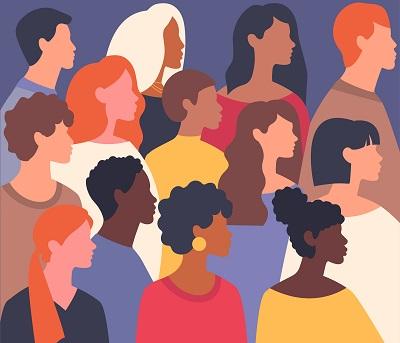
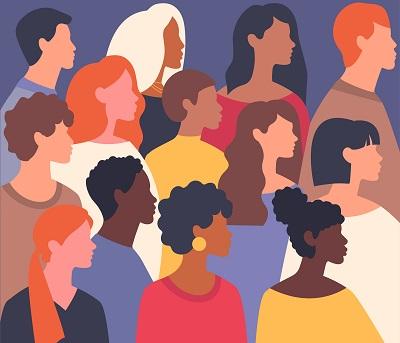
Many members of BIPOC communities deal with stress and trauma that can stem from specific socioeconomic struggles that consciously and subconsciously impact the everyday lives of the community.
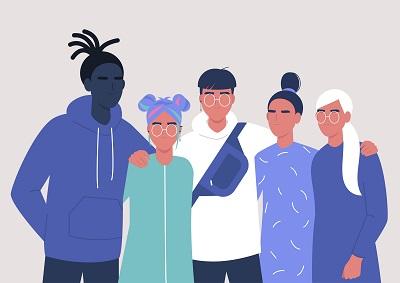
In a world that is constantly evolving, BIPOC youth are actively working to change the way their communities acknowledge and embrace mental health. Youth (defined here as those between the ages of 15 to 24) are redefining what mental health means and are trying to “unlearn” some of the negative stigmas that have been taught or demonstrated by older generations.