ADAA Mental Health Blogs for the Public

My OCD (obsessive-compulsive disorder) clients often ask me at some point early in therapy, "Why do I have OCD? Why is this happening to me?" While many environmental factors can play a role and a predisposition to OCD is certainly hereditary, the ultimate answer to this question is quite simple.
To answer it, we need to know what is different about people who develop OCD compared to people who do not develop OCD.

Steve has served as a police officer for 24 years, including being a SWAT team member for years. He and I have worked together on his traumatic experiences. He has told me that in a given day a police officer might have to deal with two to three overdoses and do CPR.


Today I said thank you to the staff at the senior living facility where my 97-year-old grandmother lives. At the outbreak of COVID-19, she found herself hospitalized with bacterial pneumonia – nothing related to COVID-19. Just poor timing.
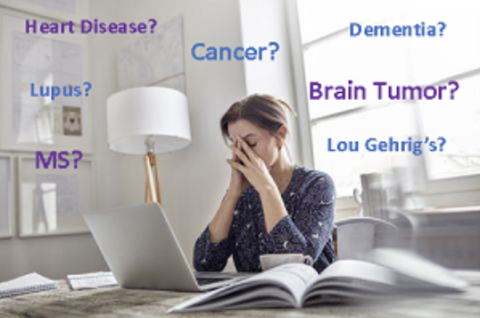

Feeling anxious, worried, and tense? You are not alone! Anxiety disorders are the most common mental illness in the US, and General Anxiety Disorder (GAD) affects 6.8 million adults (or 3.1% of the population) every year (https://adaa.org/understanding-anxiety/facts-statistics). When feeling overwhelmed with worries and tension, the first step many people take is to ask their doctors about medication.