ADAA Mental Health Blogs for the Public


Unwanted intrusive thoughts are stuck thoughts that cause great distress. They seem to come from out of nowhere, arrive with a whoosh, and cause a great deal of anxiety. The content of unwanted intrusive thoughts often focuses on sexual or violent or socially unacceptable images. People who experience unwanted intrusive thoughts are afraid that they might commit the acts they picture in their mind. They also fear that the thoughts mean something terrible about them.


Anxiety disorders are the most common mental health disorder in the United States. Data show that for Black women, anxiety is more chronic and the symptoms more intense than their White counterparts. This description, however, only tells half the story. What it does not tell us is how anxiety is perceived and experienced daily by Black women.

Intimate partner violence (IPV) takes place in all settings, in all socioeconomic, religious, ethnic, and cultural groups. The overwhelming global burden of IPV is endured by women, and the most common perpetrators of violence against women are male intimate partners or ex-partners. However, women who are experiencing IPV often do not see themselves as abused.

People who identify as sexual (i.e., lesbian, gay, bisexual, queer) or gender (i.e., transgender, genderqueer, non-binary) minorities have similar symptoms of anxiety and depression as heterosexual and cisgender (non-transgender) individuals. Although the symptom presentation may be similar, sexual and gender minority individuals generally experience additional identity-based stressors that can contribute to the development of anxiety and depression, and that are relevant to their treatment.

An underappreciated tool for successful living is “The Art of Disengagement.” There is much literature around engagement and holding one’s ground, but disengagement often gets the short end of the stick.
It takes much skill, mental training and control to disengage. When your brain is sending you a signal “this is very critical to survival” it becomes hard to then note this as a false alarm. Choosing to attend to a different stimuli can feel like it requires a black belt in mental training.
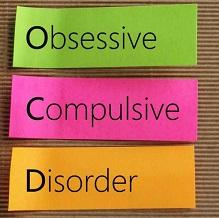
Often patients, in the course of their treatment for OCD, will question whether they actually have OCD or not. This doubt feels different to them than the doubt arising from the intrusive thoughts that initially brought them into treatment. But this doubt about having OCD is OCD! OCD demands certainty and convinces the sufferer that bad things will happen if they’re not certain. The content of the intrusive thoughts is always irrelevant, but the content can distract patients (and sometimes clinicians) from dealing with uncertainty and risk.