Depression

Menopause is a natural stage in a woman’s life, signaling the end of her reproductive years. While many people are aware of physical symptoms like hot flashes and night sweats, the effects on mental health are often overlooked.
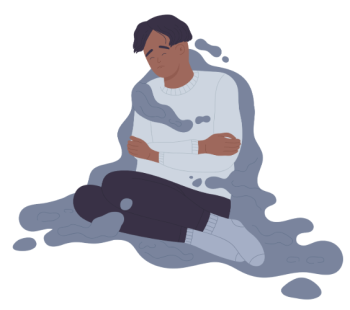
Externally, people with high-functioning depression may give the impression of "managing" or "coping" with their symptoms and seem to be “fine,” even successful. Internally, they may be struggling with feelings of sadness, hopelessness, fatigue, or low motivation. Read this blog to learn more about high-functioning depression.
by Nieisha Deed
I believed in the recipe that society had laid out for me: get a good education, land a good job, buy a house, get married, have children, and boom—happiness would follow. But as I continued down this path, something didn’t add up. The math wasn’t mathing.
by Chris Maliszewski
The thing about a tragic event is that the physicalness of it passes, time moves on, and life continues. We mourn and commemorate, but the world doesn’t stop. When I finally got the help that I needed, I started to feel growth
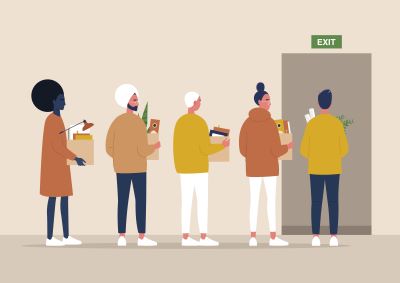
Bouncing Back from Job Loss and/or Insecurity: Overcoming Anxiety and Rebuilding Your Future
April 10, 2025
Arash Javanbakht, MD and
Karen Cassiday, PhD, ACT and
This live webinar discusses the emotions that arise when one loses a job or feels job insecurity and how best to manage time and resources.
Trauma has a way of leaving its mark—not just in your memories but in the way your brain and body work every day. Let’s explore five distinct ways trauma affects you—and what that might look like in your life.
by Samantha Russo
I struggle with Autism Spectrum Disorder, anxiety, and some depression issues. My biggest triumph has been working out with my personal trainer every day. Exercise relieves some of the anxiety and pain I’m feeling, and I can let out my frustration in a way that makes me feel healthy and positive.
by Jarek Tadla
Depression and anxiety have a way of creeping into even the most “successful” lives. I convinced myself that if I just worked harder, I’d finally feel whole. But no matter how much I accomplished, it was never enough. I reached a breaking point where I had to make a choice: keep pretending, or finally ask for help. The truth is, reaching out for help was the strongest thing I had ever done.
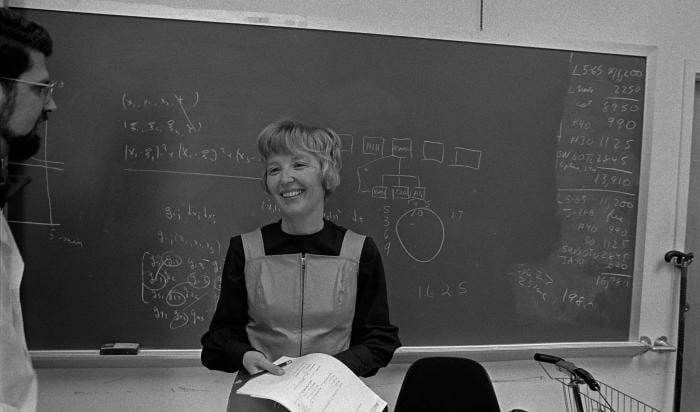
As part of Women's Health Month, ADAA's Women Mental Health SIG presents a series of blogs and videos showcasing women trailblazers in the mental health sector. In this blog, learn about Paula Clayton, MD, an internationally recognized researcher, dedicated to destigmatizing mental health and advocating suicide prevention.
by Christopher Fontana
Depression consumed me, making even the smallest tasks feel impossible. I was stuck in a vicious cycle, drink to escape, wake up filled with regret, and repeat. I knew I had to make a change or risk losing everything. Today, I am a sober mental health advocate, 100 pounds lighter, and stronger than I’ve ever been, physically, mentally, and emotionally.