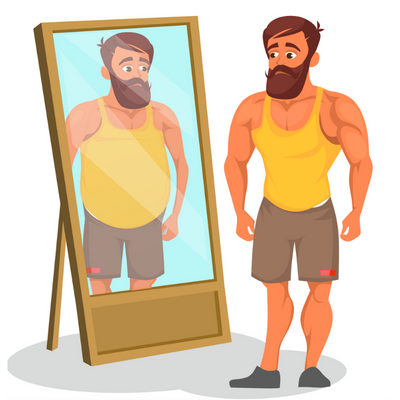
While fitness can initially serve as a healthy and disciplined outlet for young men, the constant exposure to idealized online images can warp dedication into muscle dysmorphia, a rigid form of body dysmorphic disorder driven by anxiety and shame.
Surgery can be lifesaving. Surgery is often needed and can, for many conditions and situations, be a game changer. But more often than not, a surgical procedure for someone with Body Dysmorphic Disorder (BDD) will not help. It could potentially relieve the person of their symptoms for a short amount of time but it cannot treat or cure the underlying disorder.
There can be confusion when differentiating between body dysmorphic disorder (BDD) and eating disorders (EDs). They both involve pre-occupying appearance-related thoughts and repetitive behaviours, but are treated differently.
Body Dysmorphic Disorder is an unhealthy preoccupation with not just the look, shape, or feel of one’s body or a specific part, but the shame one experiences in the appearance of their body, or a certain aspect of it, really hits the mark. BDD is a chronic condition that can be debilitating and can disrupt various aspects of the person’s day-to-day life for years.
In BDD, people are tormented by obsessive thoughts associated with a part or parts of their physical appearance being flawed in some way, yet these flaws tend not to be noticeable to anyone but themselves.
We all have that one feature on our face or bodies that we don’t like. Maybe your nose tip is a millimeter longer than you would prefer? Perhaps you feel that your cheekbones can be more pronounced? No matter the issue, body insecurity is common among us all.
College is typically a challenging experience with some expected highs and lows. For some it is also the time during which common mental health problems start. Because of this, you have to talk to your kid about mental health before school starts.