ADAA Mental Health Blogs for the Public
Modern life keeps us very busy.
We find ourselves ignoring the fundamentals like our health, family, friends, community etc.
All that neglect causes dysfunction in our lives.
We try desperately to fix the problem after it becomes a significant issue. In other words, we are attempting to reverse the damage once it has already become a disorder.
As a physician, this neglect is something I see among my patients every day.
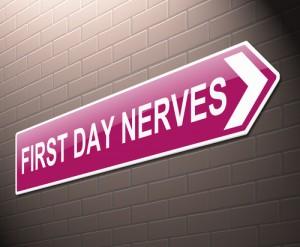
Welcome to the big leagues, kid. You’re an adult now with a new job. You’ve been working for this all your life. Don’t screw it up!
Sound familiar?
Your brain may be using different words, but if you just started a new job, there’s likely some version of it playing in your head.

Six months ago Megan, age 32, ended her engagement. Her friends were relieved. Megan’s fiance, James, was controlling and critical. He told Megan she needed to make more money, exercise more, and come up with some interesting hobbies. Whatever Megan did wasn’t quite...enough. Megan realized that she didn’t want to marry a man like James. Megan realized how much James reminded her of her mother. Megan’s mother had always pushed her hard to excel; her disappointment left Megan devastated.
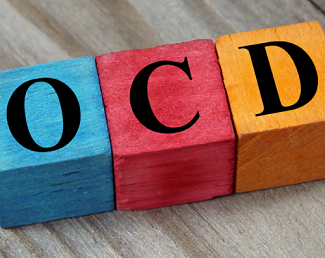
We conceptualize OCD as a biologically based mental health disorder whereby a person experiences intrusive unwelcome thoughts (obsessions) and engages in rituals (compulsions) to get rid of the anxiety (or any uncomfortable feeling) associated with these thoughts.
Often overlooked in conceptualizing OCD are the physical sensations that folks may focus on, rather than a primary disturbing thought.

It’s almost Halloween! My favorite holiday of the year – why? Because it’s not possible to be perfect on Halloween, and I embrace the imperfect. Other holidays have a perfect image we measure our own celebration by, but not Halloween! On this one day, the gory and the grimy rule. We all savor our shivers of fear about horrors we normally avoid. Terrifying movies! Ghosts! Devils! Spiders! All are out in force for Halloween.
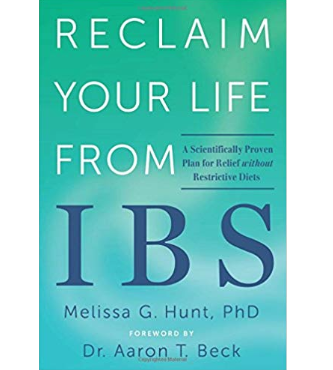
Irritable Bowel Syndrome (IBS), an unpleasant and often debilitating condition, is characterized by frequent, recurrent abdominal pain, as well as problems with constipation and/or diarrhea. People with IBS often experience a strong urge to use the bathroom, and may avoid going to places without easy access to one. This means that many everyday locations (malls, parks, places of worship, movie theaters, classrooms, offices) feel risky, and people might start to limit their activities as a result.