Browse Personal Stories

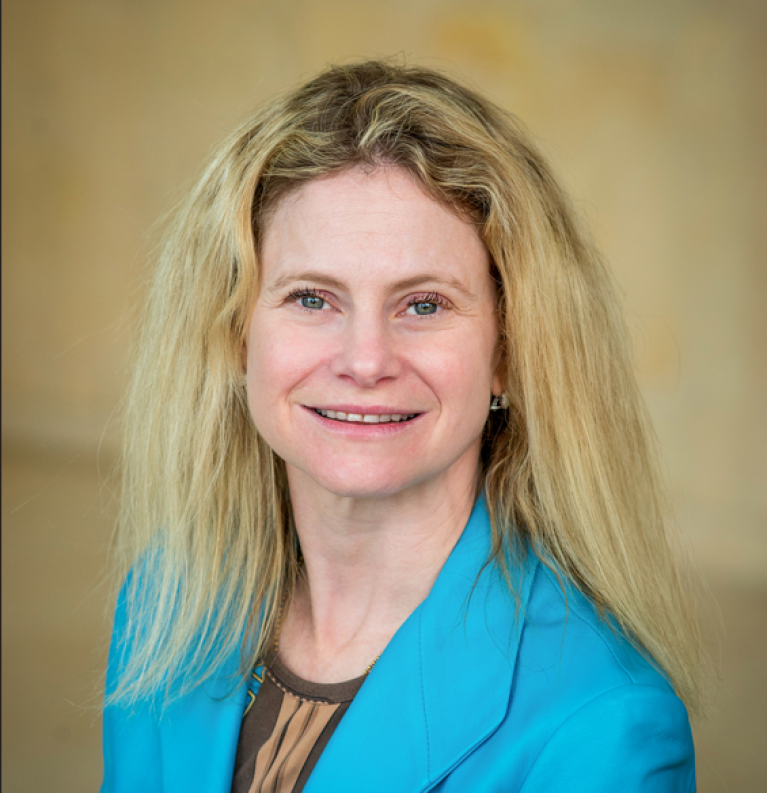
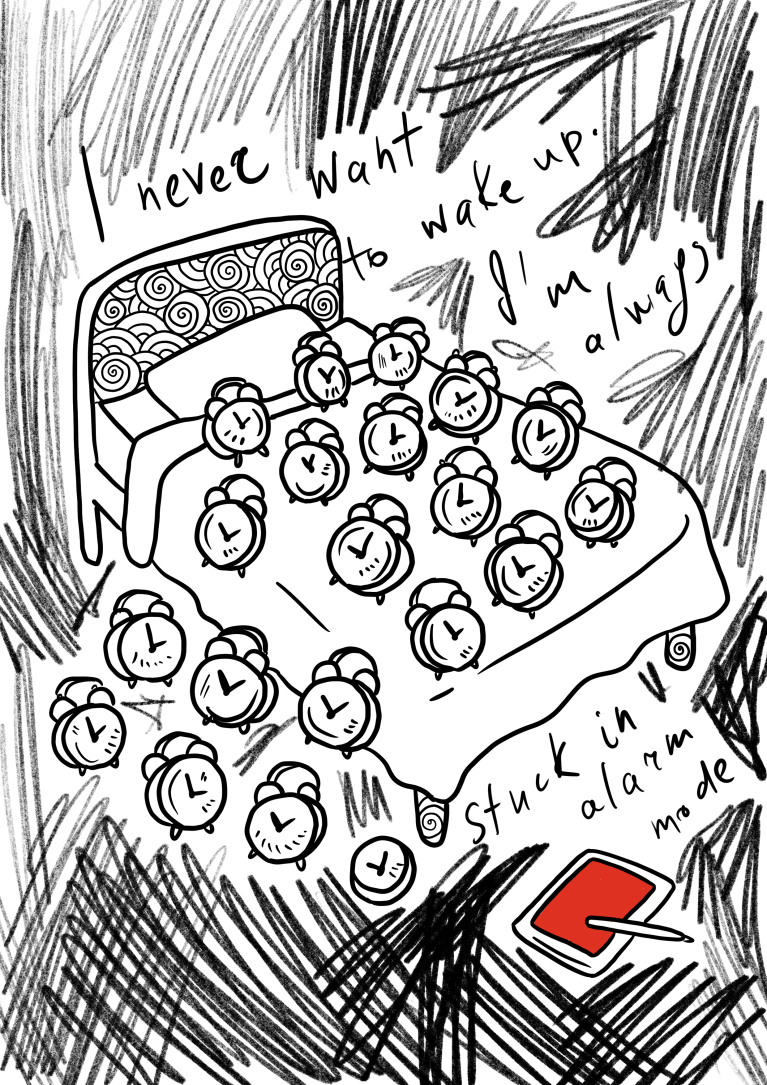
by Alma Manso Rojas
College student Alma Rojas created an art poster series with ADAA about OCD for a school project. This series explores the idea of the way OCD is perceived and the internal patterns of OCD.
by Cara Erdheim Kilgallen
Cara shares her experience growing up with severe OCD, how compulsive rituals disrupted her childhood, and how rediscovering ice skating—along with therapy, writing, and support from loved ones—became essential tools in transforming her struggles into resilience and lifelong healing.
by Trinity Scholl
Trinity shares her battle with borderline personality disorder, marked by intense emotions and fear of abandonment, and how she has found resilience and healing through therapy, faith, and the belief she is more than her impulses.
by Tanya Guschina
An illustrator and mother shares her journey of living with OCD and anxiety, and how art became her lifeline and therapy.
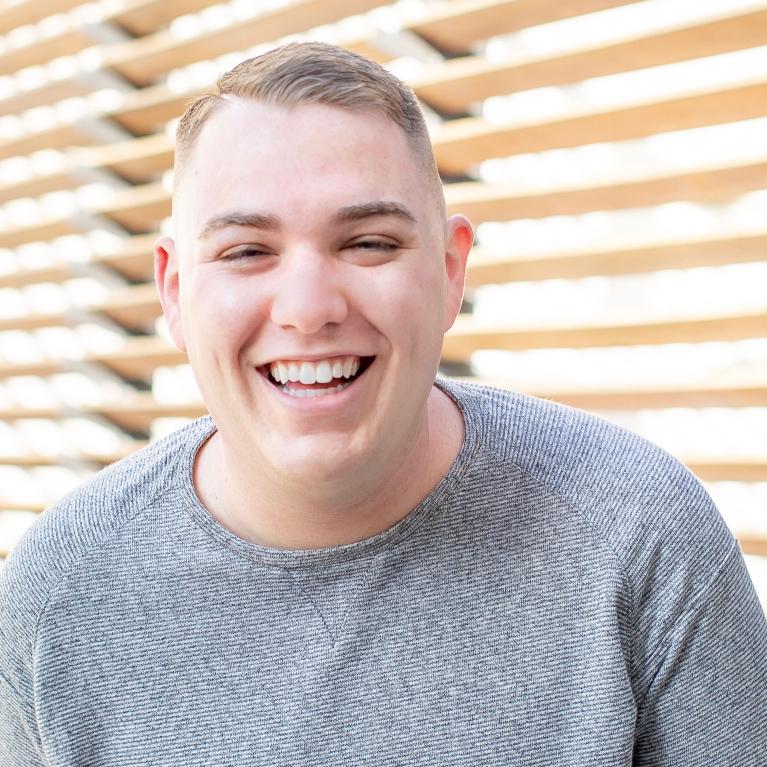
by Kyle Elliott, EdD
Read how Kyle's unexpected OCD and anxiety diagnoses helped him understand years of hidden struggles, leading to healing, self-acceptance, and advocacy to fight mental health stigma.
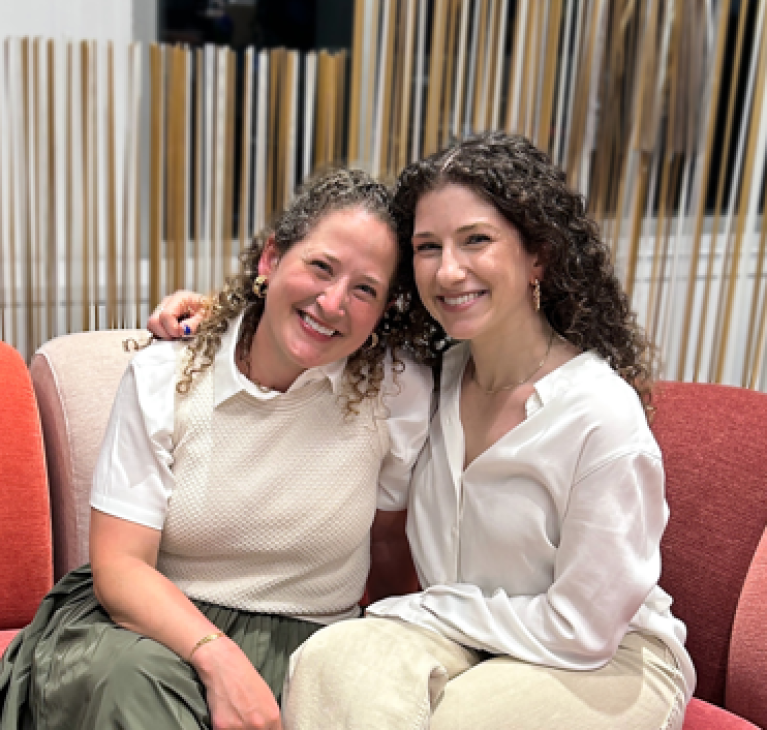
by Emily Stetzer
After years of struggling with anxiety and OCD, Emily and Lindsay found healing through therapy and cognitive behavioral tools—eventually inspiring the creation of Presently, a bracelet that offers tangible, therapeutic reminders to help manage anxious and obsessive thoughts.
by Anonymous
Though having experienced several mental and psychological disorders, she still desired to give back to women and girls who faced similar situations, to teach them about mental health and empowering them with education.
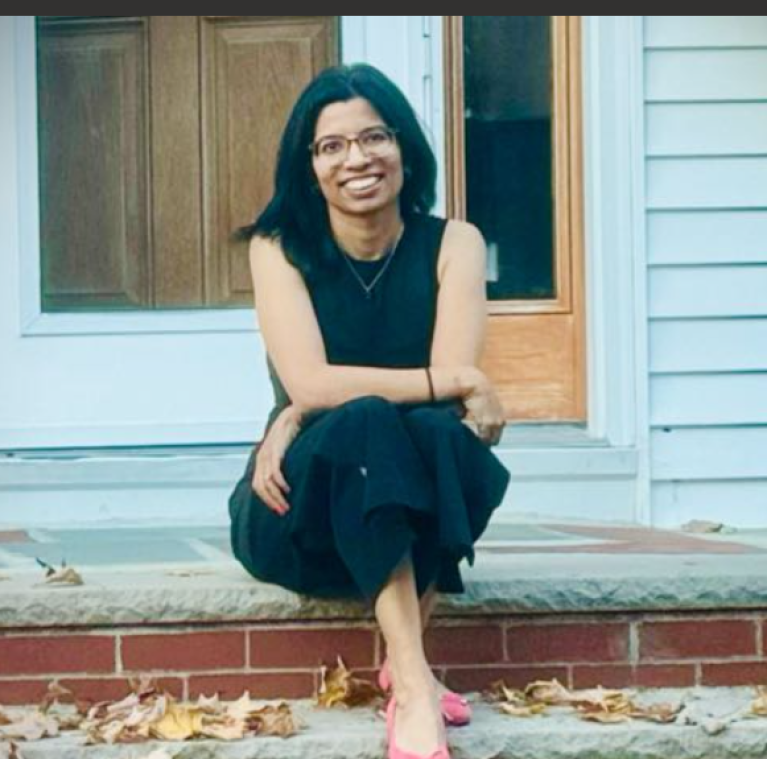
by Aneela Idnani
Body-focused Repetitive Behaviors, commonly known as BFRBs, are behaviors that include pulling hair (trichotillomania), picking skin, biting, or scraping, that are often done compulsively, despite attempts to stop. Read Aneela's personal story with trichotillomania and the hope she has found and created for others.
by Ashita Dadlani
Anorexia is often labeled as an eating disorder, a need to control weight, or a mental battle. In my experience, it was about validating the belief that “I am not good enough." Therapy opened my eyes to the deeper issues behind my anorexia, showing me that my struggle wasn’t isolated—it was tied to a much larger narrative of my self-worth.
by Jonathan Teller
In 2011, my acceptance to Penn State University marked what should have been the beginning of an exciting chapter. Instead, it became the first page of a different story – one about learning to advocate for myself while battling obsessive-compulsive disorder (OCD).
by Kevin Turner
Mental health disorders like anxiety, depression, OCD, PTSD, bipolar, etc., aren’t funny. Or are they? As a comedian I find humor in my disorder. A big lesson I learned in therapy and through my comedy is you have to let things get messy sometimes. My intent is to be honest and raise awareness - even if that means exposing some negative, uncomfortable stuff.
by Kurt Warner
To this day, both writing and reading are essential strategies in my quest to overcome bipolar disorder, obsessive compulsive disorder, and a severe traumatic brain injury that I suffered.
by Maxwell Riseman
I try to be mindful of every aspect of my life because I know how deeply it impacts my mental health. And now? My mental health isn’t just okay—it’s good. I’ve learned to turn my deepest fears into my biggest ambitions.
by Brandon Mills
I was irritable with everyone. I lost the ability to smile. It would take years for all of my issues to manifest fully and come to the surface. But being able to go through PTSD behavioral classes with a one-on-one counselor helped me a lot, and I found it also uplifting and relieving at the same time to find "like minded" people to share my mental health issues with.
by Natalia Aíza
My OCD tells me that I am a bad mom. Sometimes the self-doubt actually paralyzes me. Or, the self-doubt has me scrambling to do too much. But the self-doubt noise has largely died down, and I have learned to ignore the intrusive thoughts that I am harming my children.
by Hussain
I encountered my first obsessive thought when I was about 10 years old, centered around God and religion. As a shy kid, I kept these feelings to myself... But in my suffering with OCD, I found my passion and community. I made it my life goal to help others with OCD.
by Joseph Ettinger
This story isn’t just about the struggles, it’s about the next stage of my self-improvement process. It’s about an enlightening understanding that I now realize might be the key to OCD recovery, not just for myself, but for others as well. This being the realization that authentic friendship and genuine community, in complement with therapy and medication, is what truly drives OCD recovery.
by Martin Kovalik
I was diagnosed with OCD, autism, and depression. In elementary school, I always felt different—I didn't understand the people around me, and I was treated badly.
by Maria Scazzero
I was diagnosed early with my first mental health disorder – ADHD – at the age of 12. Six years later I received a diagnosis of Borderline Personality Disorder. And at 34, OCD. This was the most challenging, both in terms of the symptoms and the treatment.
by Bryan Jung
With everything that has happened in my life, I’ve come to learn that every second and every moment cannot, and should not, be taken for granted. Anything can happen in a split second and life can instantly change course forever. I make an effort to not just go through, but conquer each and every day.
by Small Boss
You’ll often hear people say, “I’m so OCD”. You may have jokingly said it yourself. We all like to keep things neat and tidy. Perhaps, “We’re all a little OCD,” right? Wrong. 
by Tim and Mike Bernard
My father and I wrote IT SOUNDED BETTER IN MY HEAD — a fictional account of my mental health journey and my personal growth through music.  In a country, where it seems the majority of our youth are silently struggling with mental health, I think our story will resonate for a wide population as we all suffer together.
by Dave Donahue
I became successful as an electrician but would self sooth with alcohol. Once I gave that up, the emotions had to go somewhere but where?
by Asher Feltman
One of the problems with OCD is that you lose so much time. That evening when my dad called me and my siblings to dinner, I went to save my progress on the game, but I couldn’t just save it and walk away like before. I was ‘stuck’.
by Anahid Mantl
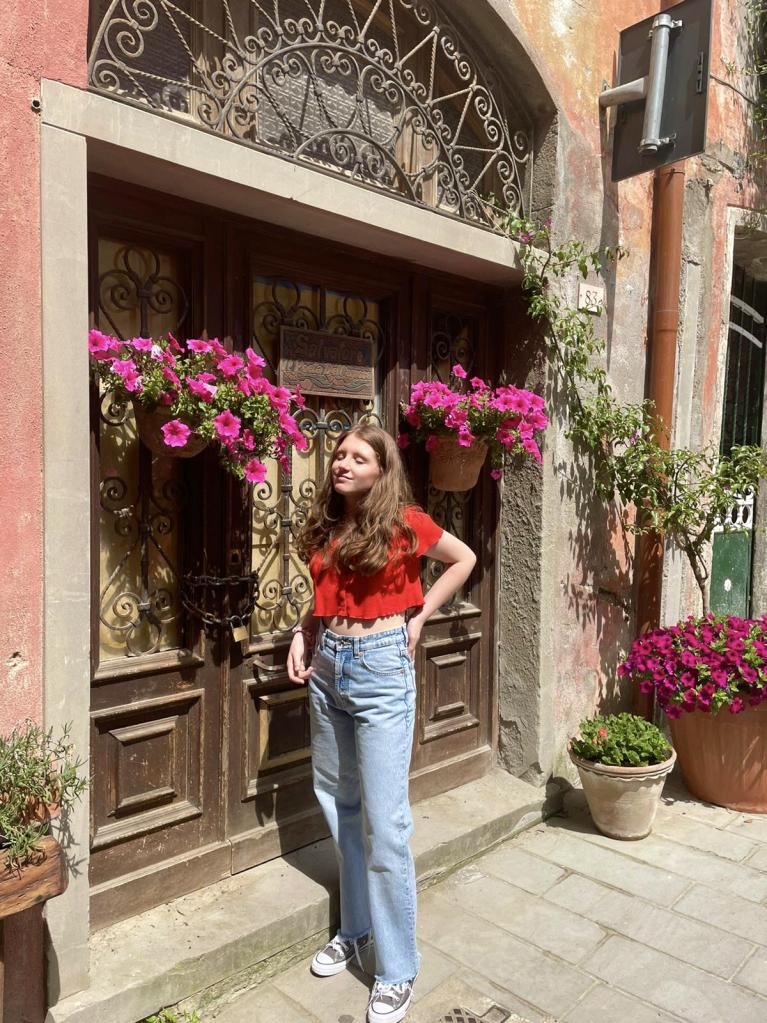
I’m now 16 years old, currently in Italy, and have been living with OCD and the fear of throwing up for so long that I don’t even remember how my life was without it.
by Rebecca G. Feinberg
“They’re just thoughts, And I don’t need to believe them, right?.”
by Amy Diener
After viewing my art and story, I want others to understand that we are not alone in this and should not be embarrassed of our struggles. Instead, acknowledge them and work hard to triumph over them.
by Sam Wickey

Growing up as a terrified Amish child was extremely difficult because I could not speak to anyone about my fears, nightmares, and personal illusions that were perceived as reality. My family did not believe in any form of expression or communication because we were in the strictest Amish sect. They did not even believe in hugging their children or saying I love you.

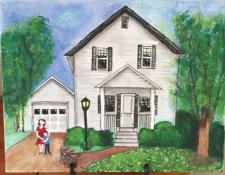
by Rebecca Feinberg

“You have no idea what it feels like inside my brain,”
My child once said to me, as I was losing my patience and compassion
For what felt like the millionth time in his young life
That he asked me if I had washed my hands before touching something
 
And, he was right, as much as I tried, I (and others) could have had no idea what it feels like to live every single day
by Jasmin Correa
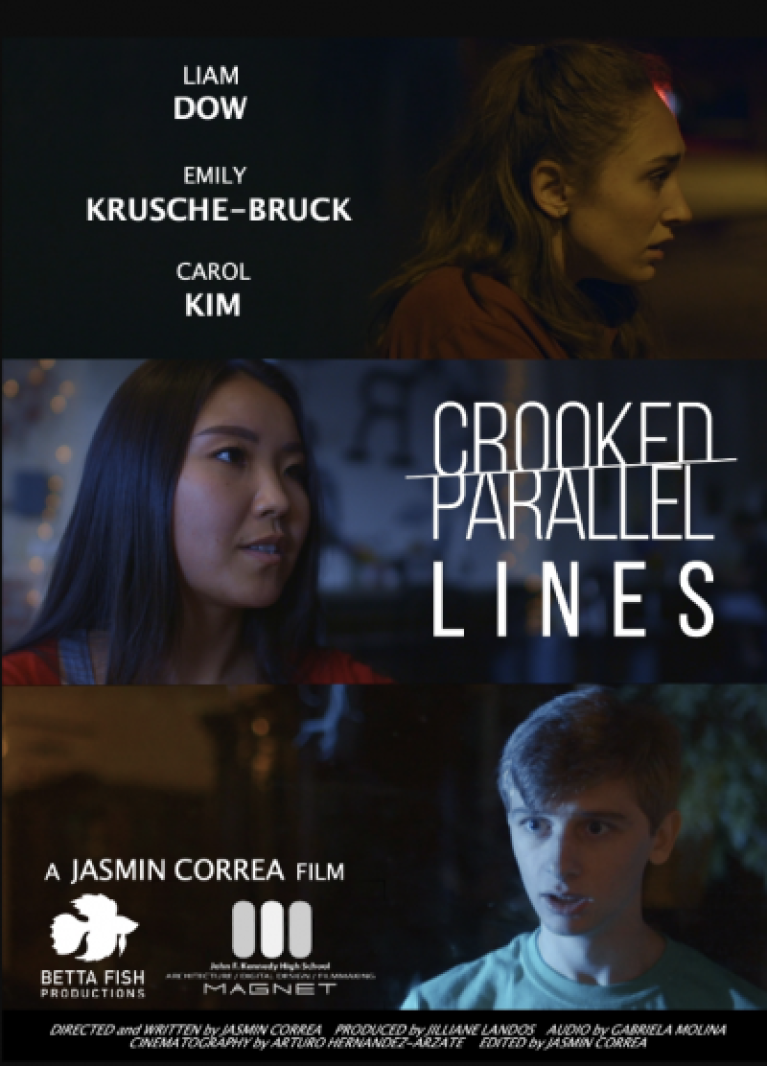
I directed my high school senior film, "Crooked Parallel Lines" based on my own struggles with OCD. I personally struggle with colors especially green and red, I see green as good luck and red as bad luck.
by Gilad from Anxious and Abroad

When I booked my trip to Asia, I was 23, fresh out of college, and a 100% bundle of nerves. I had just learned about my relationship with mental health (I’ve got that delightful combo of Moderate Anxiety & Obsessive Compulsive Disorder) and was working in sync with my therapist to manage it. 
by Deb Tokarz

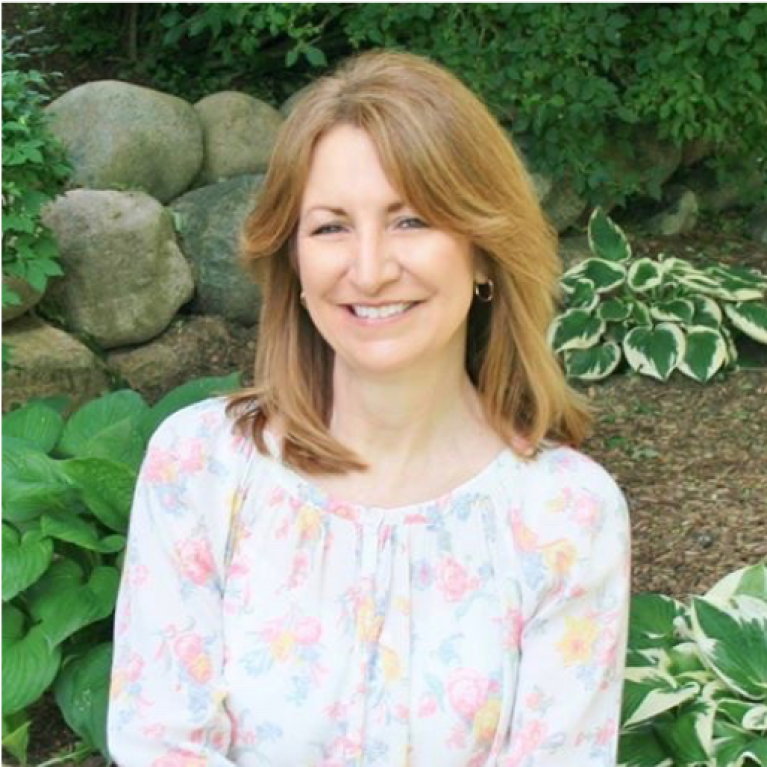
It’s liberating to talk about my struggles with mental illness. That is now that I’ve come out on the other side. There was a time I hid my anxiety and depression because I was embarrassed and didn’t understand my emotions. I took solace in reading about others on the ADAA website — knowing I was not alone. 

by Tobias J. Atkins

TobiasAtkins-personal-story-social-anxiety-website.jpgFor most of my life I’ve struggled with social anxiety disorder, along with generalized anxiety disorder, OCD, and depression. During the worst of it, I was on strong medication and medical disability benefits due to my fear of job interviews. I would feel uncomfortable or awkward in public 90 percent of the time.